
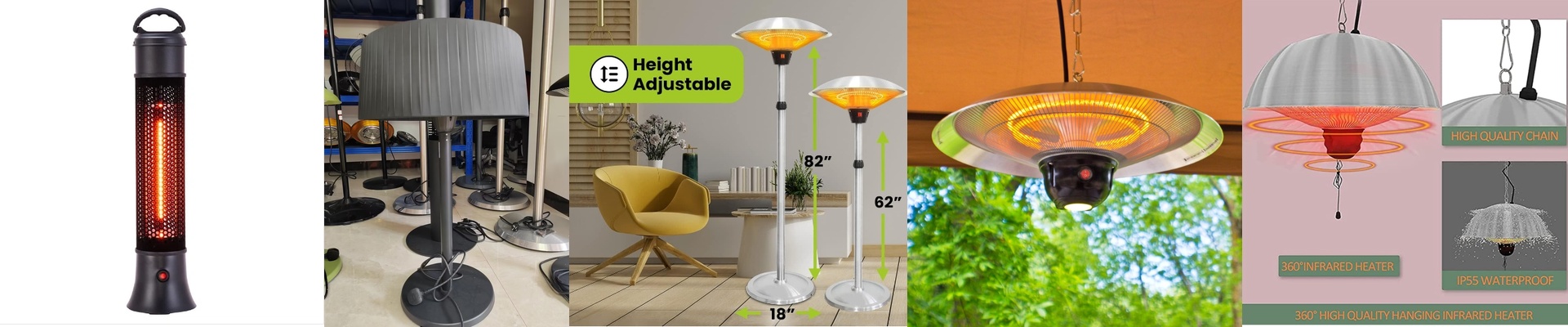


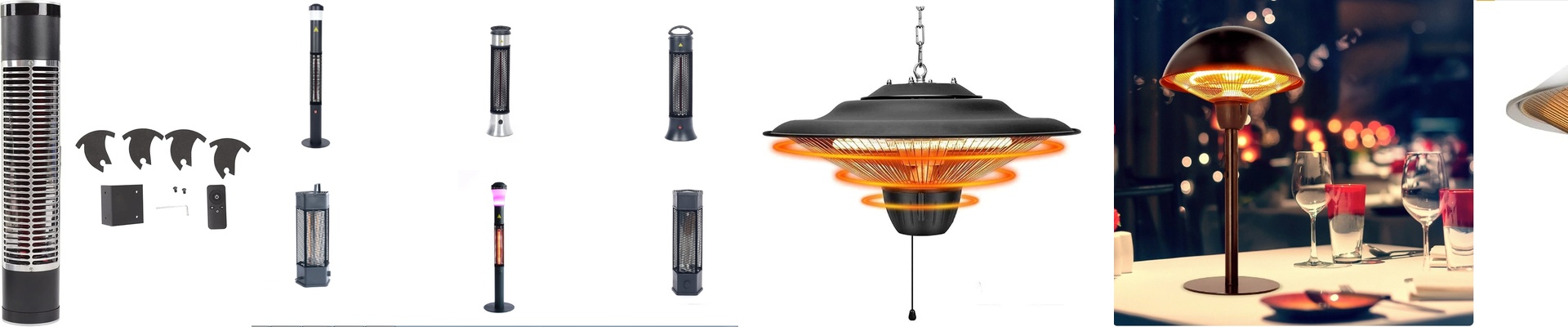

Step outside on a damp evening, and you don’t just feel the cold—you feel moisture working its way into every seam. It fogs lenses, sneaks into controls, and quietly eats heater life. Our top-selling infrared patio heater was built to flip that script, with one clear goal: keep the warmth coming when the weather won’t play along.
What matters under the hood
We start with an ERP-standard infrared heating core, because it delivers instant radiant heat and isn’t easily thrown off by drafts. The quartz tube runs efficiently, putting warmth where people are—on bodies and surfaces—instead of trying to heat the air around them.
Then we seal the front with a shield that resists fogging, and keep the electrical chamber fully enclosed to meet splash-water protection requirements. The payoff is straightforward: the heater stays clear, stays dry, and holds steady output even as humidity climbs.
Why this design holds up outside
On covered patios, garden corners, and transitional entries, condensation and light spray aren’t rare exceptions—they’re the daily reality. That’s exactly what corrodes heating elements, weakens connections, and kills units early.
Here, the radiant output stays consistent while the electronics stay isolated. You get comfort without the nagging worry that the next wet night will knock the heater offline. Fewer failures mean fewer replacements, less downtime, and the kind of reliability that makes outdoor living feel like it should—relaxed.
Practical setup notes
For best performance, mount the heater where airflow is steady but keep it shielded from direct heavy rain, and set the unit’s orientation per the manual. Even with strong splash resistance, no outdoor heater is submersible, and output can dip if it’s installed in the path of a persistent downpour.
If you’re matching it to an existing setup, confirm voltage and outlet compatibility up front.Proper placement and a dry electrical feed are what stretch service life.