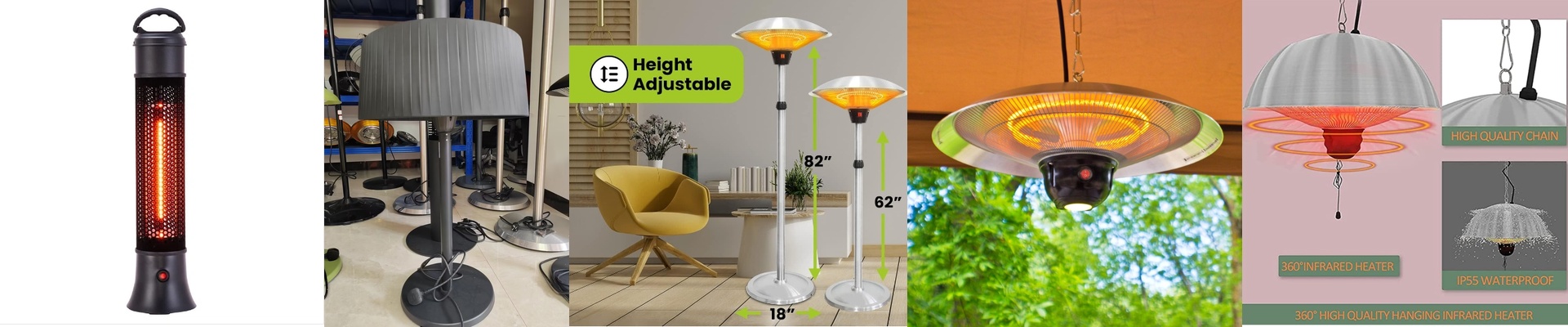
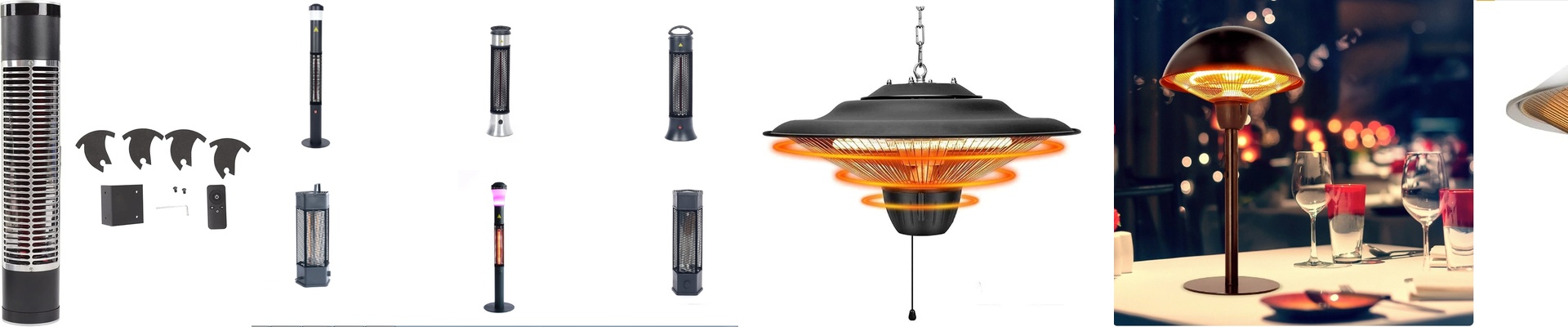
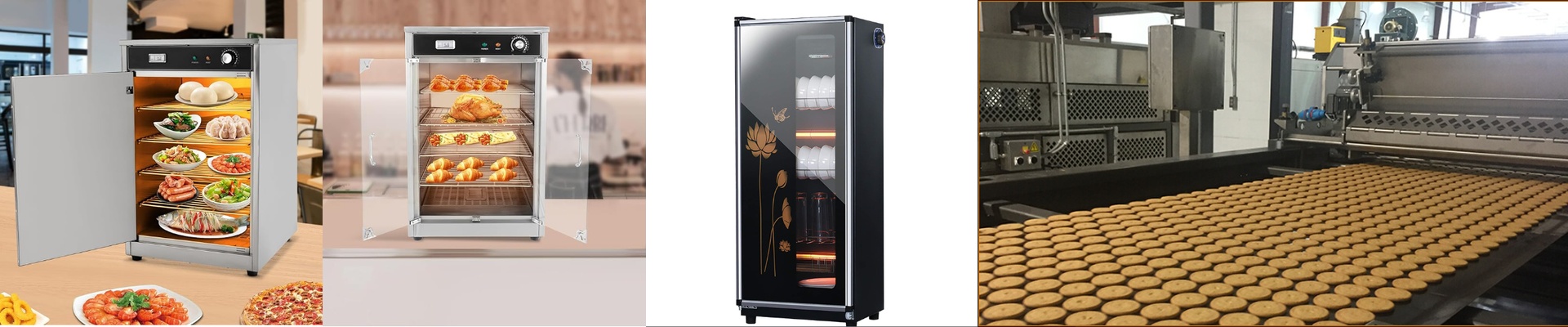
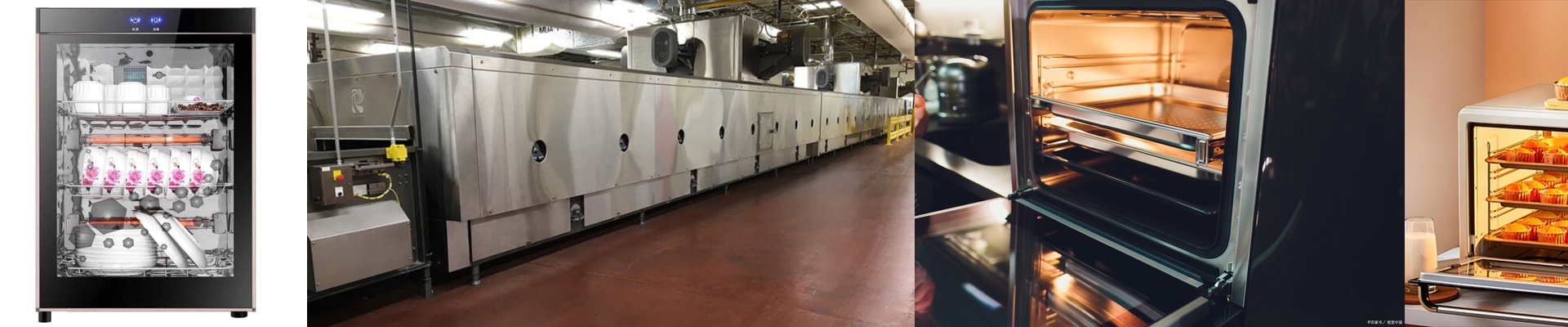
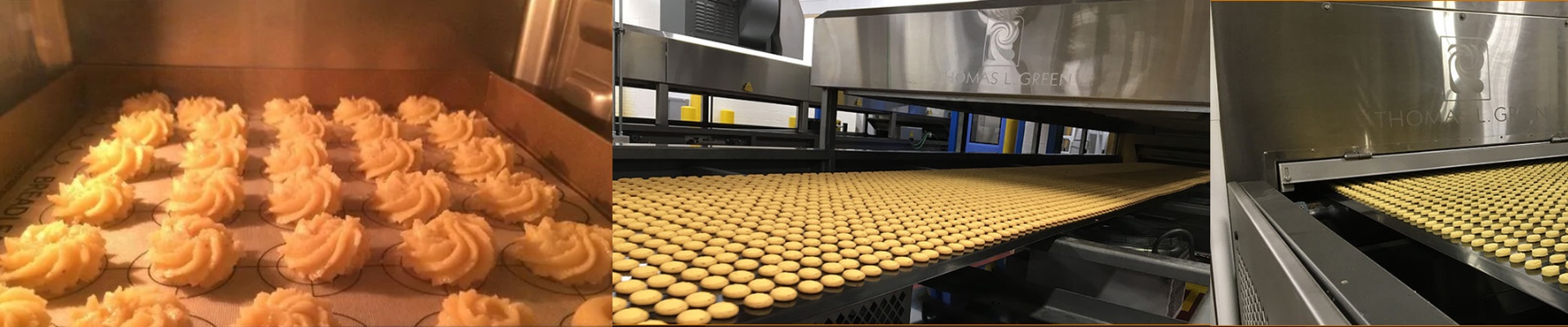
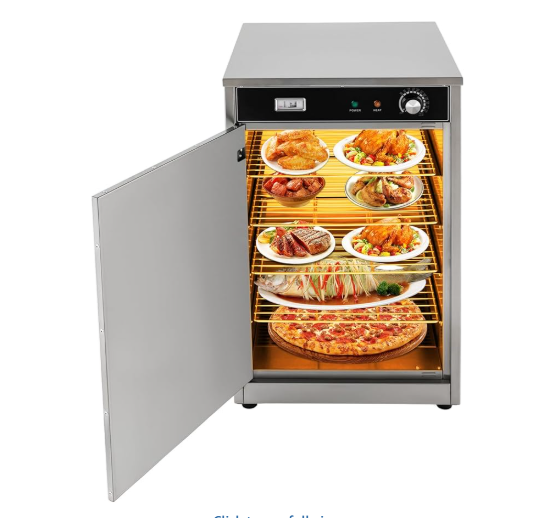
When the rush hits, you know the feeling—deck oven struggling to climb back to temp, and every pie that leaves the stone shows it. Your margins feel it too. A commercial quartz heating bulb isn’t a cosmetic add-on. It’s a direct, practical way to cut heat lag, even out crust, and stop wasting energy in deck ovens, rotary ovens, and some convection setups. What matters, under the hood Quartz bulbs throw short-wave infrared that punches through toppings and dough fast, so the top sets while the stone or hearth recovers. In real life, that means the oven comes back to set temperature quicker after the door keeps opening, and you get steadier caramelization without scorching. You’ll typically see 240V or 380V ratings, with wattage matched to the cavity size—so you get the right heat density, not a guess. The quartz envelope handles thermal shock, and the compact shape fits tight reflector assemblies, giving you predictable beam spread and even coverage across the baking chamber. Why it earns its keep on the line During a pizza peak, the door opens and closes nonstop. With quartz, you hit target temperature faster, so every pie stays on schedule. In a bakery running deck ovens, the bulb helps top crust color even while the bottom stays clean—cutting pass-through time and keeping product moving. Energy use per bake cycle drops because recovery is quicker and less heat bleeds into the frame. Swapping one out is straightforward, and many units hold steady output over thousands of hours, which means fewer late-night service interruptions. A few shop-floor realities Quartz bulbs run extremely hot, so proper shielding and clearance are non-negotiable—protect the crew and ingredients nearby. They’re line-of-sight heaters, which means placement and reflector condition matter. A worn reflector scatters heat and kills performance. Match voltage and wattage to the oven’s terminal block and thermostat tolerance, and confirm compatibility with your specific deck or rotary oven model before ordering. Treat the bulb like a precision component, not a universal drop-in.