

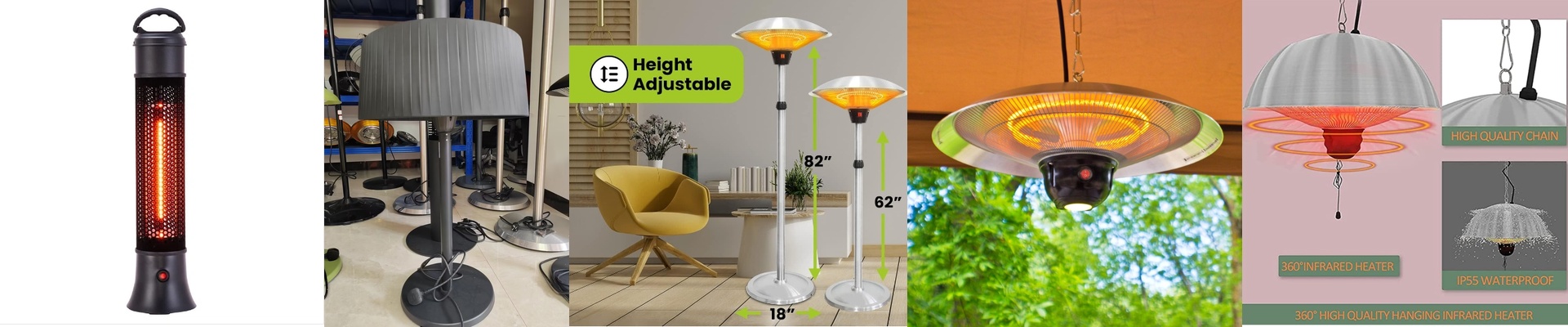
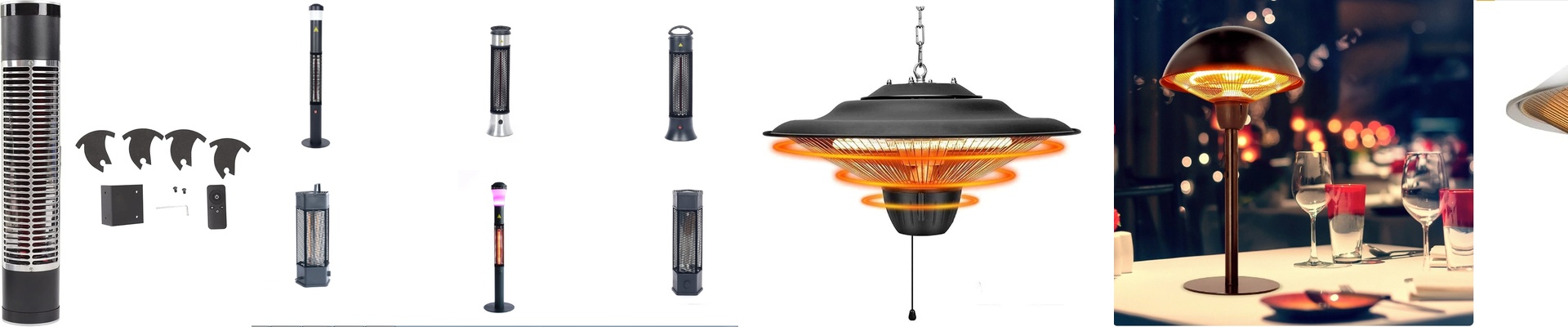
You get settled in your favorite chair, ready for a quiet night, and the moment you pull your hands off the blanket, the chill hits. Old-school heaters tend to be bulky, surface-hot, and tethered to an outlet. A USB-powered infrared heater changes that—warmth comes on fast and quiet—but only if you position it with intent.
What’s actually going on under the hood
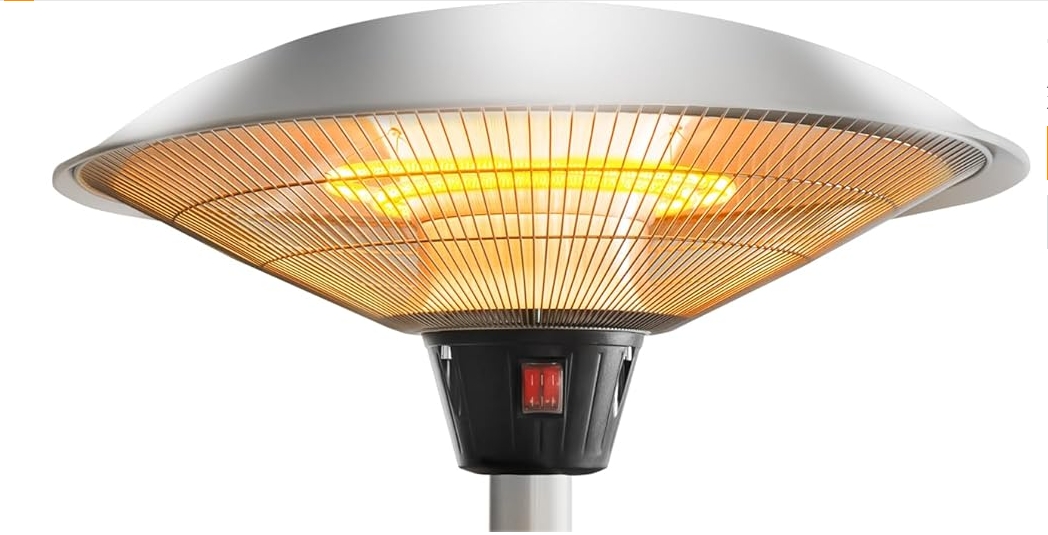
A USB-powered infrared heater delivers radiant warmth through a quartz or carbon fiber element, putting out short- to medium-wave infrared energy. It doesn’t chase around trying to heat the air; it warms people and objects directly, the way sunshine does. Most units run on 5V/2A to 9V/2A via USB-A or USB-C and deliver 100–400W of focused heat. You get quick response, very little noise, and a footprint that fits on a desk, nightstand, or workbench.
Why placement makes or breaks it
Height and angle decide whether the warmth lands as a gentle glow or a harsh hot spot. For personal comfort, mount the unit 45–60 cm above the floor and tilt it 15–25 degrees toward where you’re seated or standing. **At that height, the beam hits the torso and legs without blasting the face or hands.**In a reading nook or office, that setup keeps circulation comfortable, helps loosen stiffness, and keeps you from turning the whole house thermostat up.
The details you don’t want to miss
These are low-voltage, energy-conscious heaters, but they’re built for close-range comfort, not whole-room heating. Keep a small clearance around the unit for airflow and make sure flammable materials stay away. Most models include tip-over protection and a thermal cutoff, but the exterior can still get hot—treat it with caution around kids and pets. For consistent performance, use a stable USB power source rated for the required current, and skip extension cords that can drop voltage and hurt output.