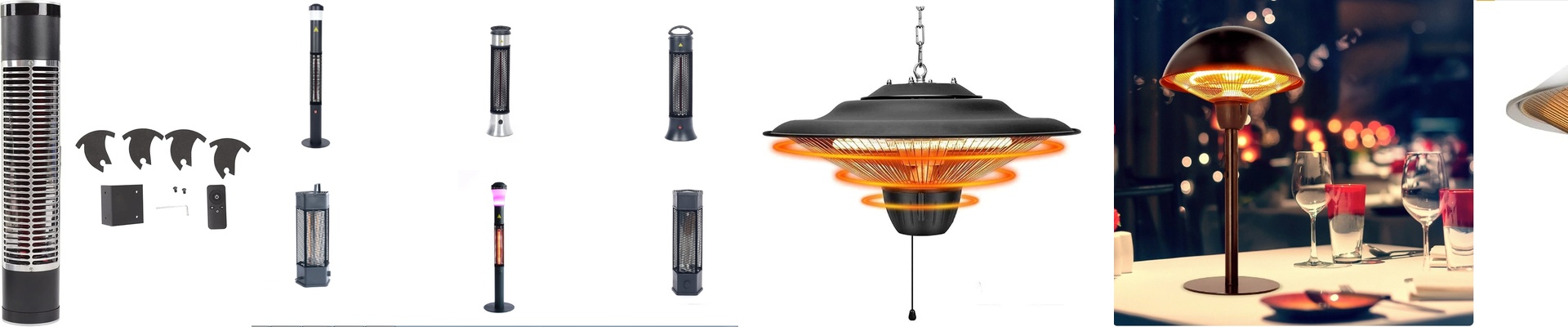


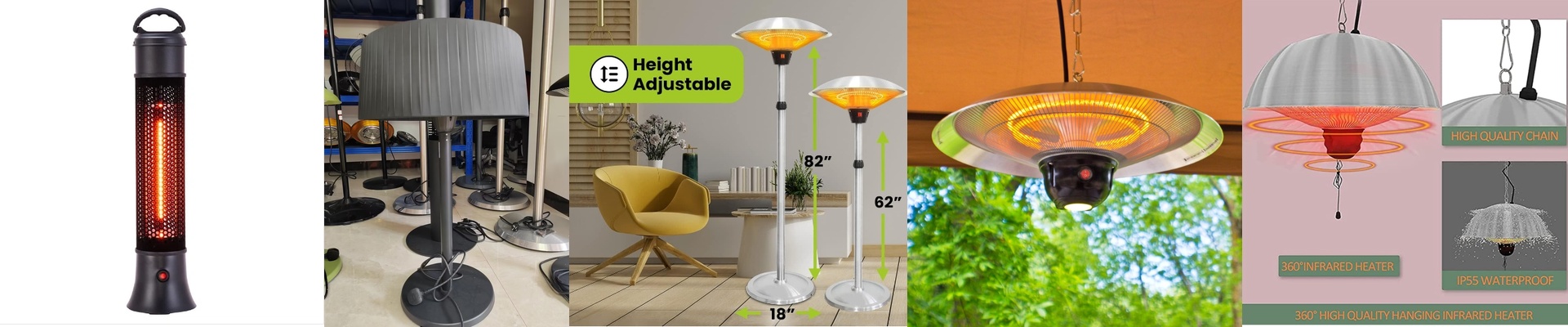
When the evening chill starts creeping into your outdoor space, you want warmth that doesn’t make you compromise on your sustainability goals. We built this heater to deliver solid, dependable heat—and to be built in a way that respects a zero-waste approach. That means using materials chosen for long life and easy recyclability when the day finally comes.
What matters under the hood
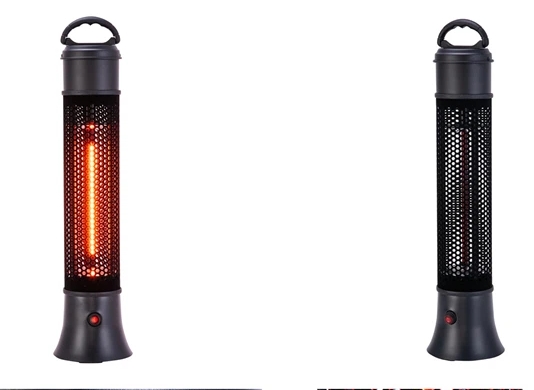
This CE-certified electric heater runs on an infrared system, pairing a high-purity quartz tube with a carbon fiber element. Radiant heat hits people and surfaces directly, instead of wasting energy heating air. You feel comfort faster, and the temperature holds steady with less on/off cycling. It runs on standard 220–240V power, pulls up to 2000W, and has an adjustable thermostat so you can dial in the right level. For safety, you get tip-over protection and an IP rating that’s appropriate for sheltered outdoor use. The housing uses aluminum and recyclable polymer components, chosen so the unit can be taken apart cleanly at end of life—easier to repair, easier to recycle.
Why this approach actually holds up
If you’re serious about zero waste, longevity and repairability have to be part of the design. This unit leans on tough, replaceable parts, so you’re not scrapping the whole heater the moment one component wears out. The materials are selected for high cycle life, which helps keep the product in service longer. In real use, infrared warmth feels immediate—hands warm within seconds, feet staying comfortable on cool surfaces—without the noise and draft you get from forced-air heaters. Because the heat is directional, you can keep a small seating area cozy without throwing energy around. For homes and venues that want a circular approach, this heater supports that goal without forcing anyone to settle for less comfort.
Practical notes from the field
Infrared heaters work best when there’s a clear line of sight. Walls, overhangs, and wind can all cut into the perceived warmth. For consistent results, mount or place the unit 2–3 meters from seating and aim it at people, not at empty air. It’s designed for covered outdoor areas, and it needs a grounded outlet and a stable setup. If you plan to run it at full power for long stretches, check your circuit capacity first—otherwise you’ll be chasing tripped breakers. Warmth, responsibly delivered.