
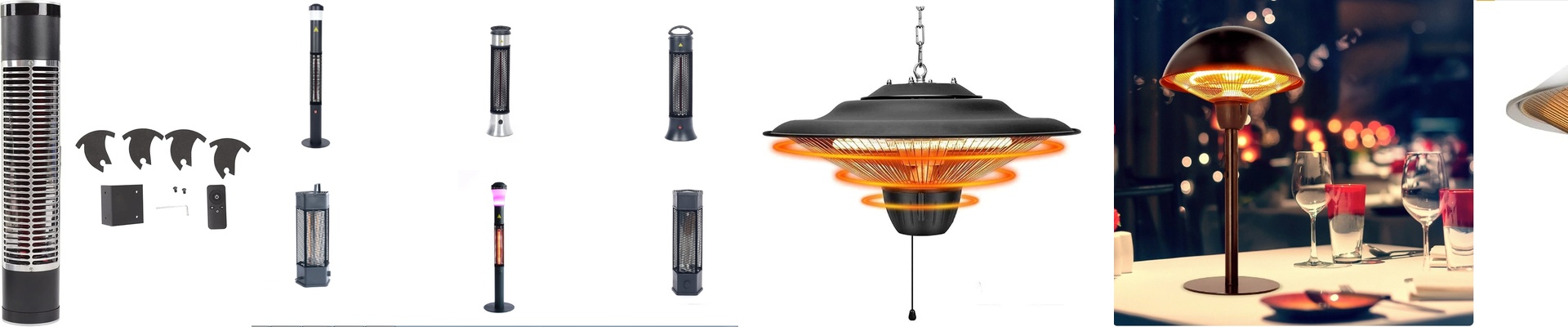

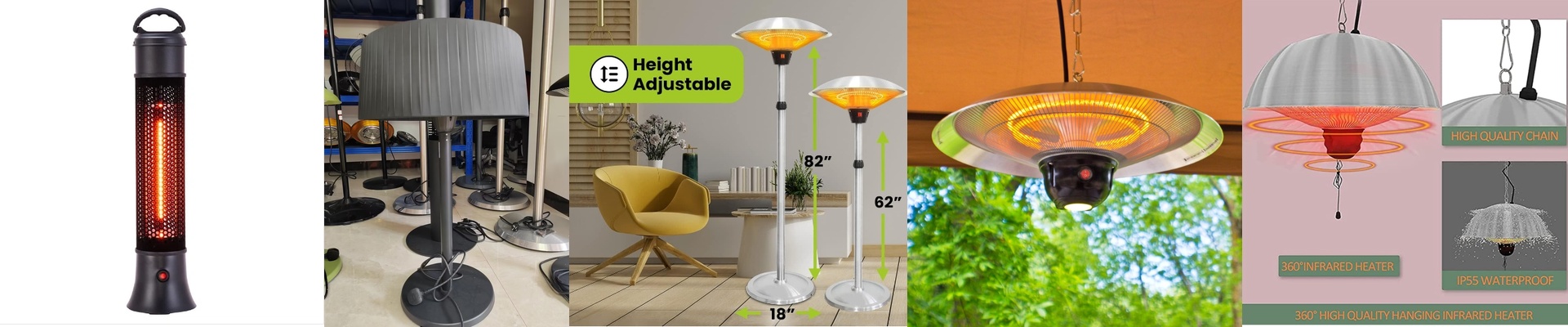
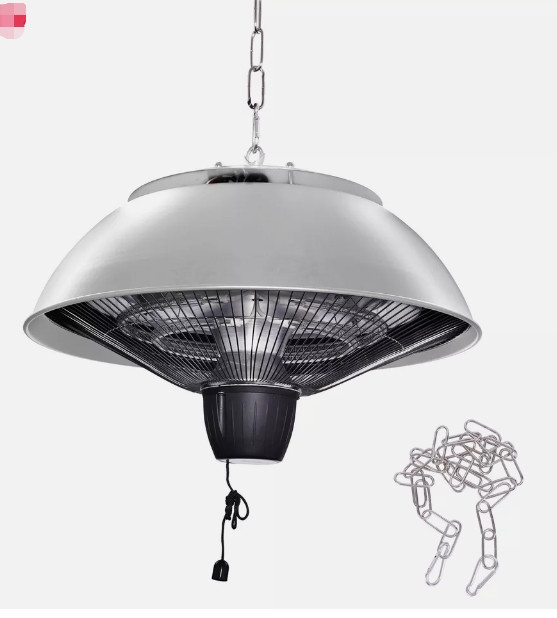
Once the sun drops on an off-grid place, the question isn’t just how to stay warm—it’s how to stay warm without leaning on the grid. A patio heater that plays cleanly with your solar PV system makes comfort practical, not a lucky break. Infrared warmth changes the math because it heats people and surfaces directly, not the air. That direct transfer wastes less energy and keeps the load on your battery bank more predictable.
What matters, technically
We build our backyard infrared heaters around proven radiant elements—carbon fiber and quartz tube—paired with a tight reflector to focus the heat where you want it. A typical unit runs on 120V and pulls 1500W, so you get immediate warmth with no warm-up lag. Add a thermostat if you want steady comfort, and you’ve got safety covered with tip-over protection and a sealed build that earns a solid IP rating for outdoor use. Wiring is straightforward: plug into a weatherproof outlet or hardwire through an inline switch, and you’re set.
Why this pairs well with off-grid living
Off-grid means working within your energy budget. Infrared fits solar because it’s directional and fast. On a 3–5 kW solar setup with a 10–20 kWh battery bank, a 1500W infrared heater can run for several hours—especially when you use it in short bursts on the patio, in the workshop, or at an entryway. You don’t have to heat the whole outdoors—just the spot you’re in. That focus keeps your daily energy use manageable and extends evenings outside without draining reserves.
What to keep in mind
Solar compatibility comes down to your inverter, wiring, and battery capacity. For smooth operation, size your battery bank so the heater’s draw stays around 10–15% of your usable capacity per hour. On very cold nights, expect a bit less output, and plan for a dedicated circuit. If you want year-round reliability, pick a heater rated for outdoor conditions and install it under a sheltered cover to keep the element protected from wind and moisture.