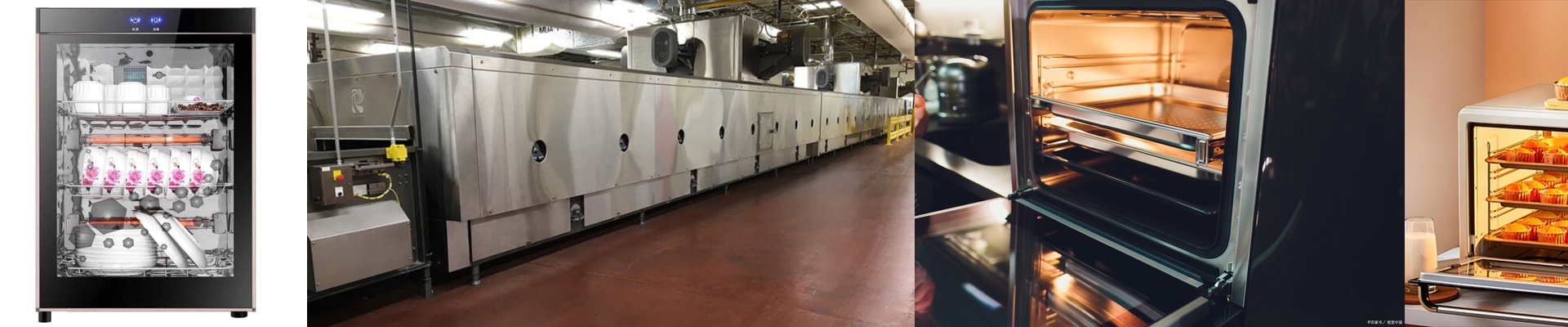
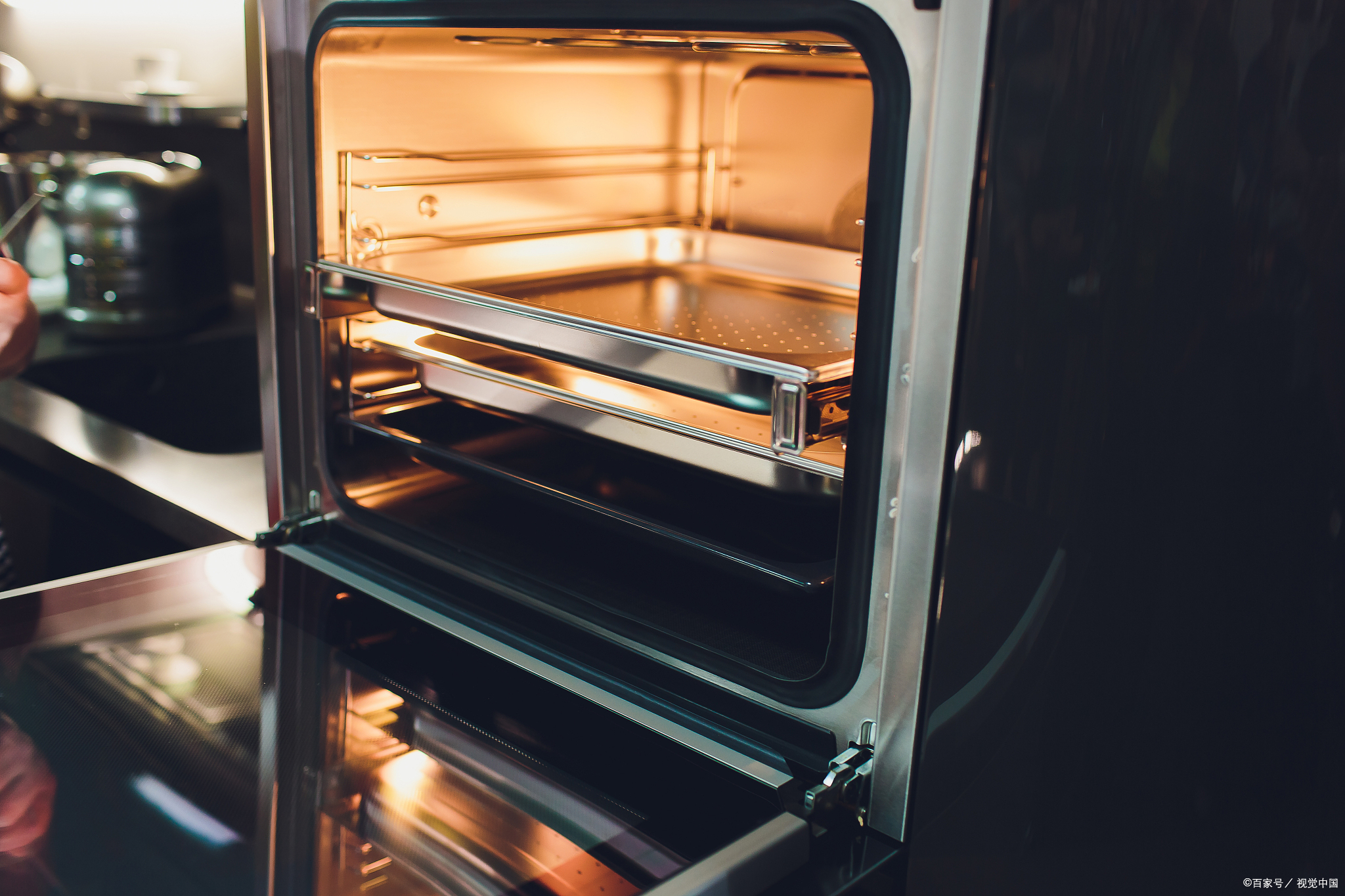
In a busy commercial kitchen, holding food at the right temperature is a thin line to walk. One minute you’ve got perfect service heat, the next you’re fighting cold spots on a tray. When the heating element in your food warmer can’t keep up, you see inconsistent holding, dry edges, and you start to sweat the food safety side of things. That’s why the temperature control heating element deserves some actual engineering thought. Here’s what matters under the hood. We build the element around tight temperature control, using a responsive resistive coil and a thermostat interface that holds setpoint with minimal drift. In practice, it snaps back to temperature after the door opens and keeps the baking chamber or holding cavity stable. No more chasing hot and cold zones. We choose wattage density to deliver even radiant output without scorching, and we spec terminals and mounting hardware for the reality of service—repeated removal and reinstallation, not one-and-done. Why this matters on the line. In a deck oven, rotary oven, or convection unit that also handles holding, the right element keeps crust and moisture intact during service windows. You get consistent holding across pans, fewer reheats, and a steadier pass when the rush hits. Energy use drops because the element cycles predictably instead of sprinting through long, hard pulls. Over months, that means fewer temperature swings, better plate consistency, and less wasted food. A few things to keep straight. The element performs best when it matches the original equipment’s voltage and control method. A mismatched thermostat will cause short cycling. On install, maintain proper clearance to insulation and make sure terminal connections are clean and tight—heat and vibration will find a loose contact fast. After replacement, run a quick calibration check to confirm the thermostat and element are in sync.