Getting Thermal Control Right in Smart Kitchens
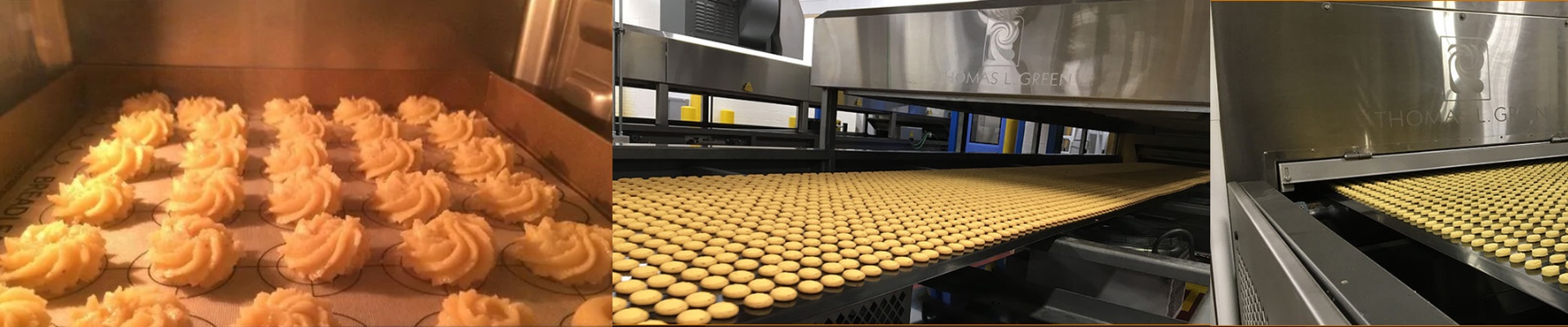
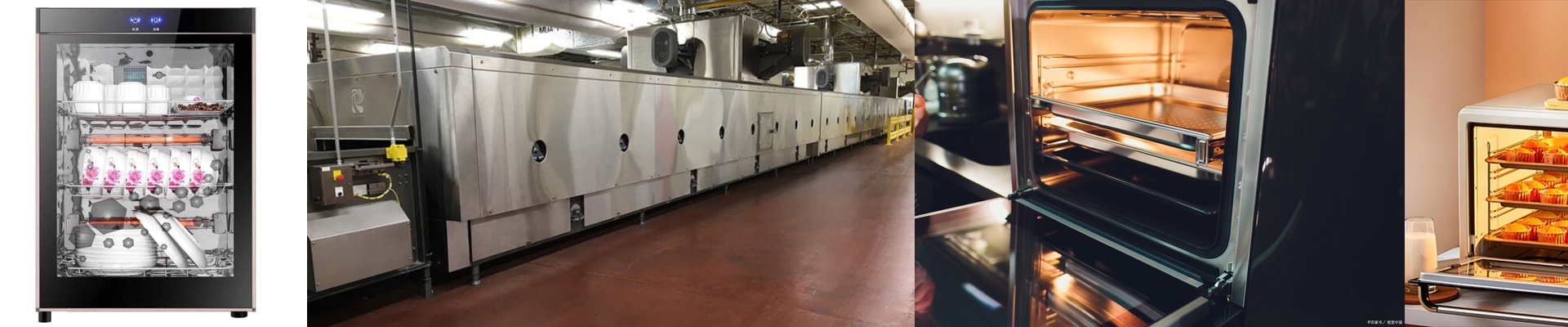
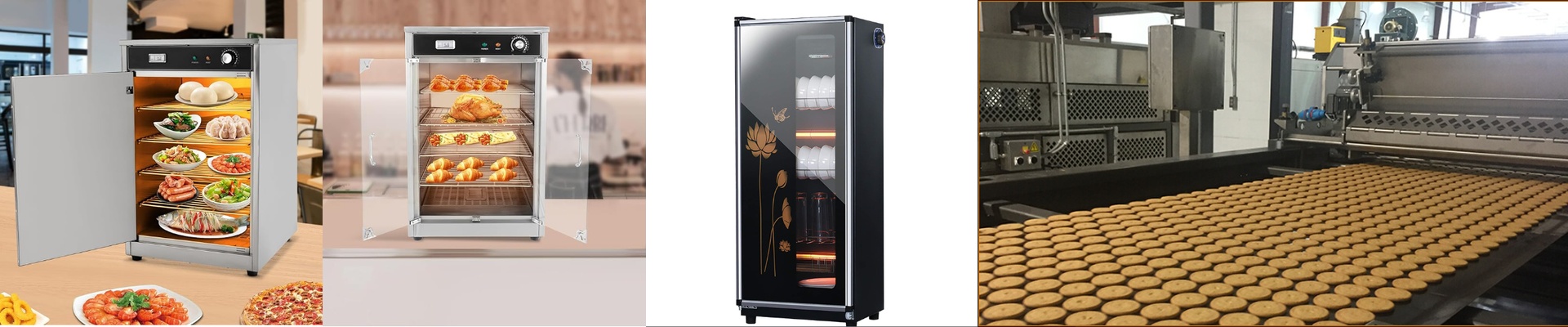
Modern smart kitchens need more than a basic timer. They need a level of heat control that actually works. We make high-precision infrared lamps for convection ovens—specifically for those tricky jobs where you need to dry something out and sear the surface at the same time, all with one element.
Why the physics matter
Standard heating coils are slow. They take forever to get up to temperature, which is a pain when you’re in a rush. We use halogen-filled quartz tubes to kill that lag. When you pair these with high-frequency PID controllers, the response time is basically instant. We’re talking milliseconds. It solves that annoying problem where the edges of your food burn to a crisp while the middle is still damp. One heads-up: we can customize the wattage and voltage to fit your setup, but keep an eye on your power. If you go for a high-wattage tube to speed up drying, your current draw will spike. Just make sure your relays and wiring can take the heat so you don’t fry your control board.
The nitty-gritty on materials
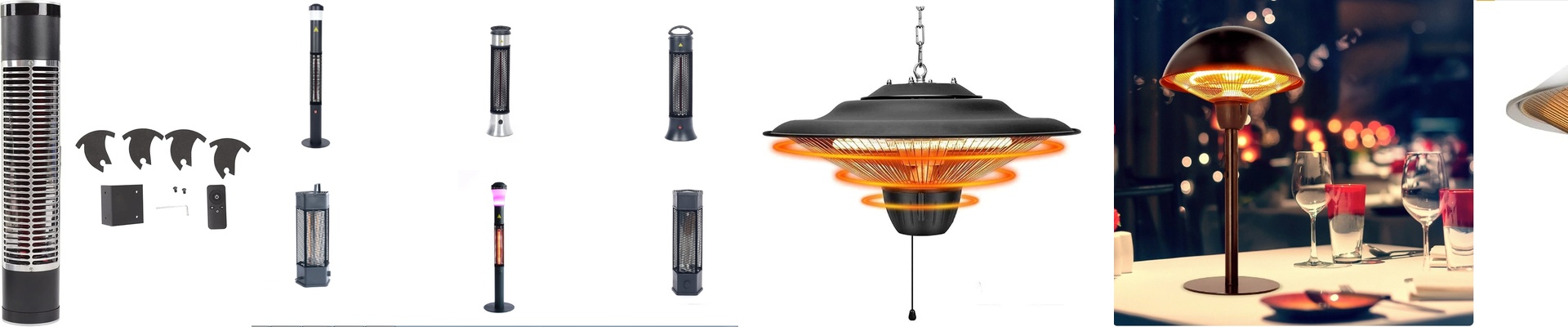
We use hard-quartz glass. Why? Because it can handle the shock of rapid heating and cooling without cracking. Most of our units use R7s or Sk15 connectors. This makes them a breeze to swap out. You don’t have to mess around with soldering on the factory floor; you just plug them in and you’re good to go. And for the really tough drying jobs, we’ve got coated tubes. These shift the infrared spectrum so the heat sinks deeper into the material. It’s the best way to get the internal moisture out without scorching the surface.
A few things to watch out for
High heat density is great, but it’s a balancing act. These lamps run hot. Really hot. If you cram too many of them into a small oven, you might actually warp the chassis. To avoid that, we suggest balancing where you place the IR elements with your fan’s CFM. If you move the air effectively, the temperature stays even across the whole rack, and everything dries perfectly.