Stop Letting Your Oven Slow You Down
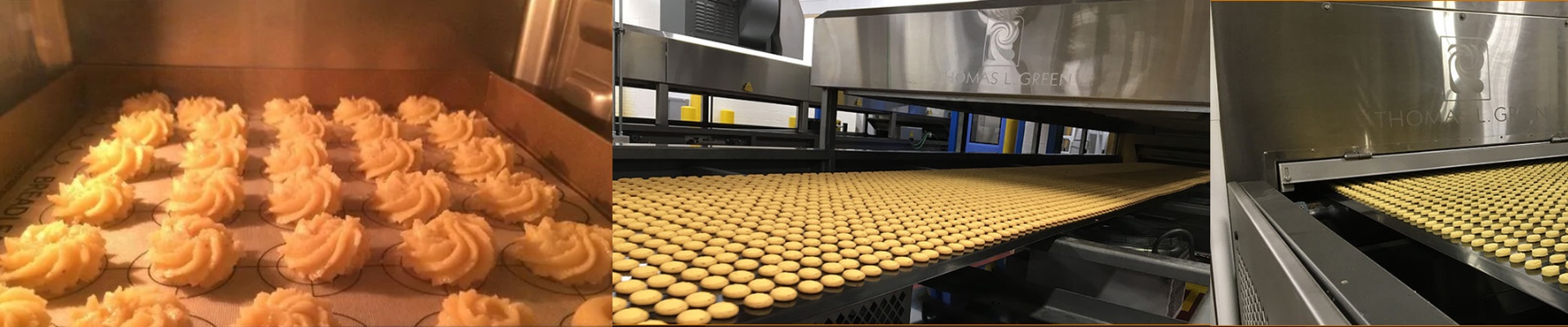
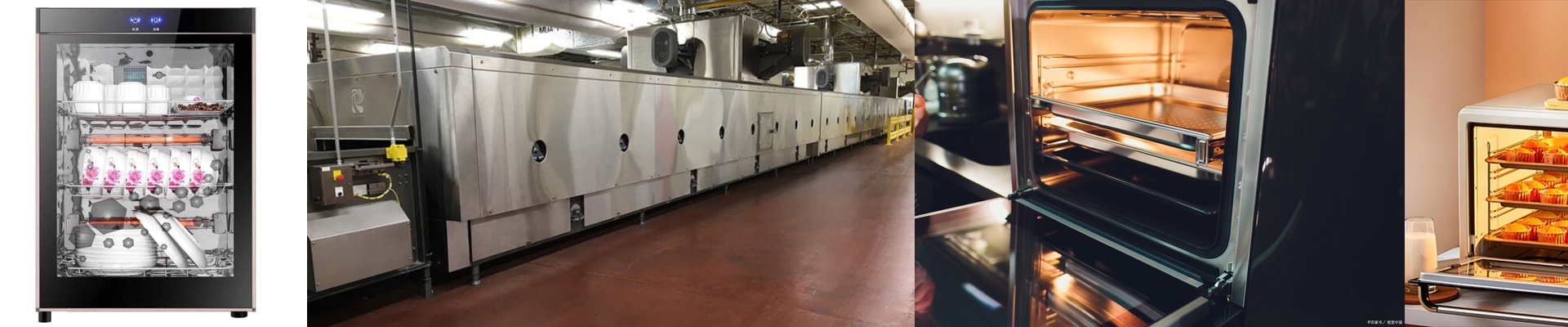
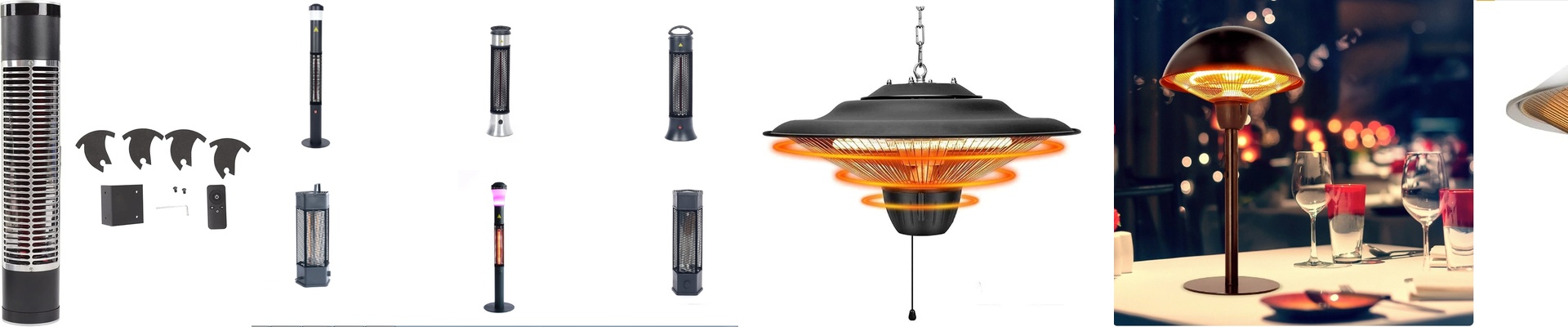
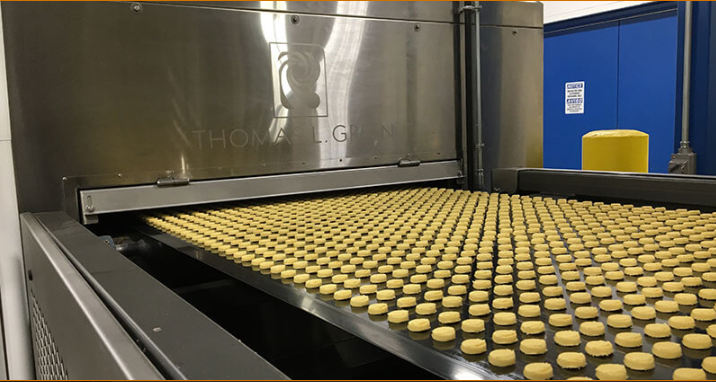
Ever feel like your deck oven is the one thing holding your whole line back? You want to push more pieces per minute, but you’re stuck. The problem is usually the air. Traditional convection heating is slow because it has to warm up the air before the air warms up the food. It’s a middleman you just don’t need. That’s where clear quartz infrared bulbs come in. Instead of heating the air, these bulbs shoot radiant energy straight into the product. It’s direct. It’s fast. And it changes the whole math of your bake. How it actually works Think of it like stepping into the sun on a cold day. You don’t wait for the air to get warm; you feel the heat on your skin instantly. These quartz tubes let shortwave IR radiation pass right through the glass. Because the heat doesn’t just hang around in the oven cavity, it dives straight into the dough or the crust. Since you can pack a lot of power into a small space, you can actually shorten your heating zone. You get the same internal temp in less time, which means you can finally crank up that conveyor speed. The gear side of things We use high-purity quartz for these lamps. Why? Because when things get incredibly hot, cheap glass bows or cracks. These don’t. We also keep the connections simple. Most of our setups use standard R7s or SK15 connectors. We did that on purpose so you can just swap them out during a maintenance window without needing a degree in electrical engineering. Depending on your plant’s power, you can pick different voltages, though we usually suggest higher voltage for better stability if you’re running longer tubes. The “Gotchas” Now, here’s the thing: this isn’t a “set it and forget it” kind of deal. These bulbs put out a massive amount of energy, and that energy creates a lot of ambient heat around the housing. If your fans or vents aren’t up to the task, you’re going to run into trouble—think warped frames or fried wiring. You also have to find the sweet spot between your wattage and your belt speed. If you get it wrong, you’ll end up with a burnt top and a raw center. To avoid that, we recommend using a PID controller. It lets you tweak the power on the fly to keep your surface temperature within a tight 5-degree window. It takes a little bit of tuning, but once you hit that rhythm, the throughput is incredible.