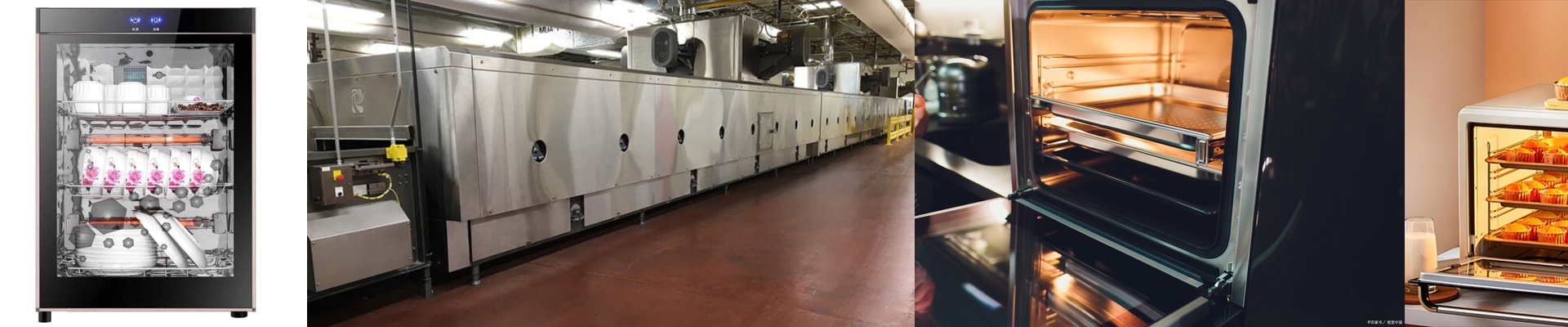
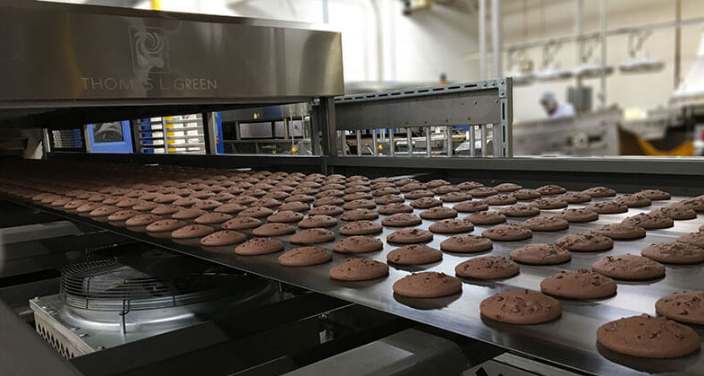
Stop Fighting Your Oven: A Better Way to Handle Hot Spots
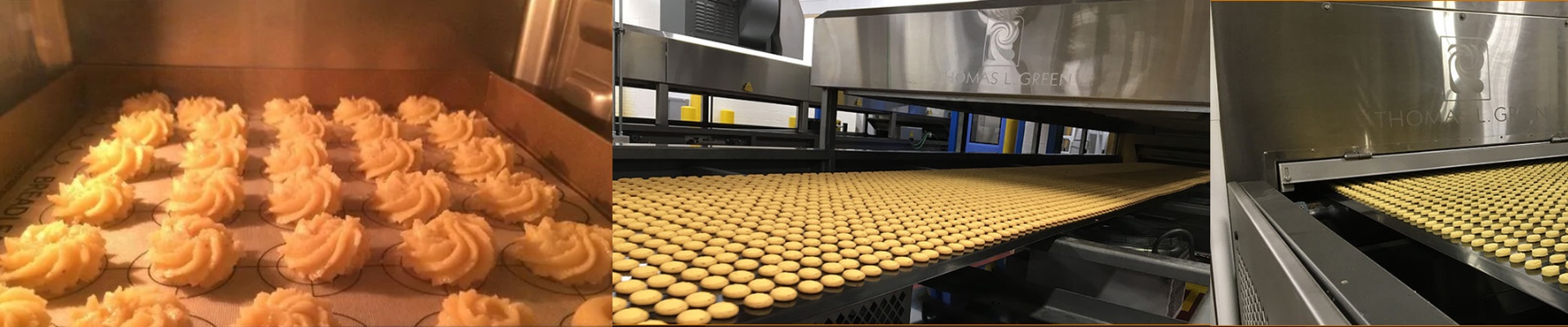
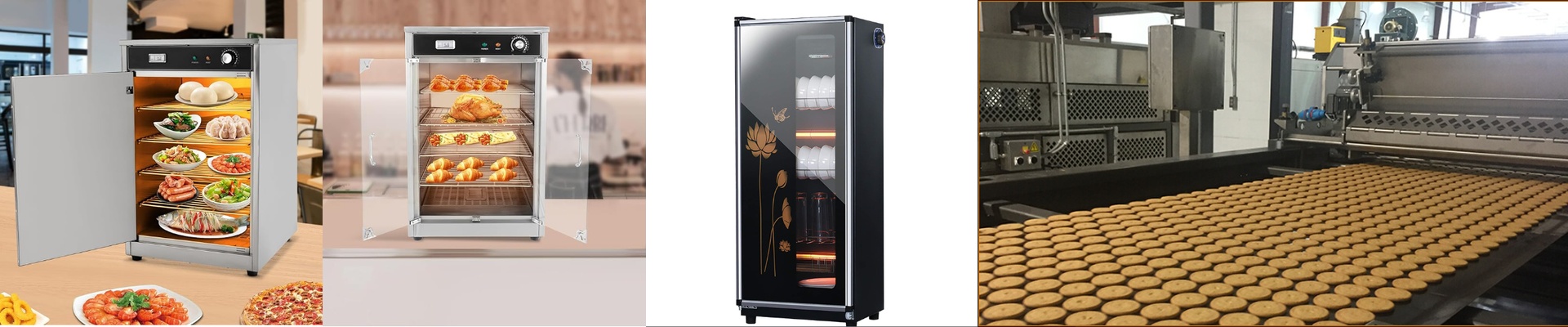
Ever pull a tray of pastries out of a multi-deck oven only to find the top batch is charred and the bottom one is basically raw dough? It’s frustrating. The problem is that relying on hot air alone just doesn’t cut it. Air moves, it shifts, and it struggles to keep every deck at the same temperature when you’ve got a heavy load in there. We fixed this by swapping out the old way of thinking for high-power quartz infrared tubes. Instead of trying to heat the air around the food, we just hit the food directly with radiant energy. Giving every deck its own brain The real trick here is zoning. You want to be able to tell the middle deck to behave differently than the top one. Because these quartz tubes pack so much punch into such a small space, you can wire each layer to its own PID controller. You just tweak the power for each level until the vertical temperature gaps disappear. And since it’s shortwave infrared, it doesn’t mess around. It sinks right into the surface of the dough. You aren’t sitting there waiting for the oven cavity to “warm up”—the heat is just there. Why quartz? In a busy bakery, your heating elements are clicking on and off all day long. That constant swinging between freezing and scorching would shatter standard glass. We use high-purity quartz because it can take that kind of thermal shock without flinching. It keeps the tungsten filament burning hot while letting the infrared light pass straight through to your bread. Now, if you need a specific kind of heat spectrum, we can add a coating to the tubes. Just a heads-up: coatings can take a little bit of the raw heat away. You’ll have to decide if you want that specific wavelength or if you just need maximum wattage. A few things to watch out for These tubes usually drop right into your existing setup, but don’t just plug and play without checking your wires first. These things pull a lot of current. If your wiring is old or under-rated, you’re going to fry your contactors. Also, make sure your vents are clear. These tubes create heat spikes fast, and you don’t want your oven’s outer shell getting hot enough to burn someone.