Stop Letting Your Oven Kill Your Workflow
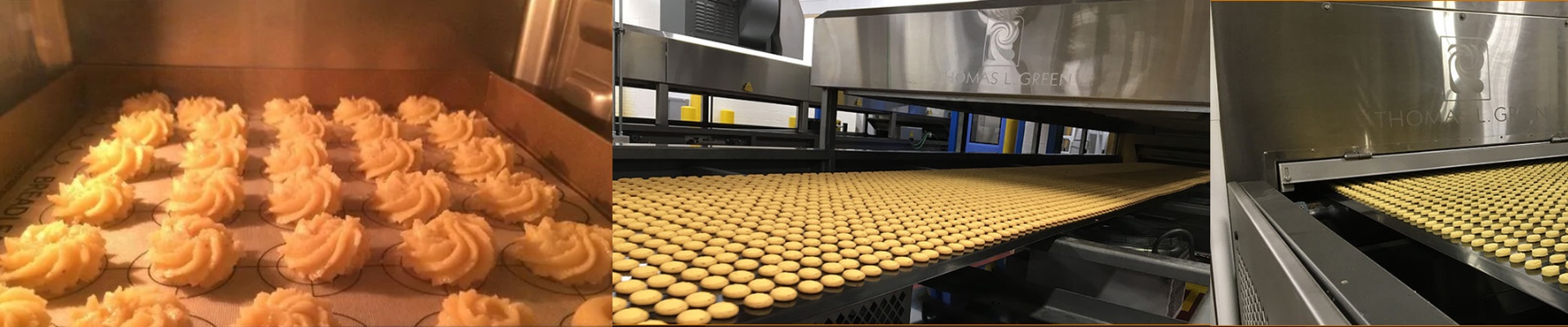
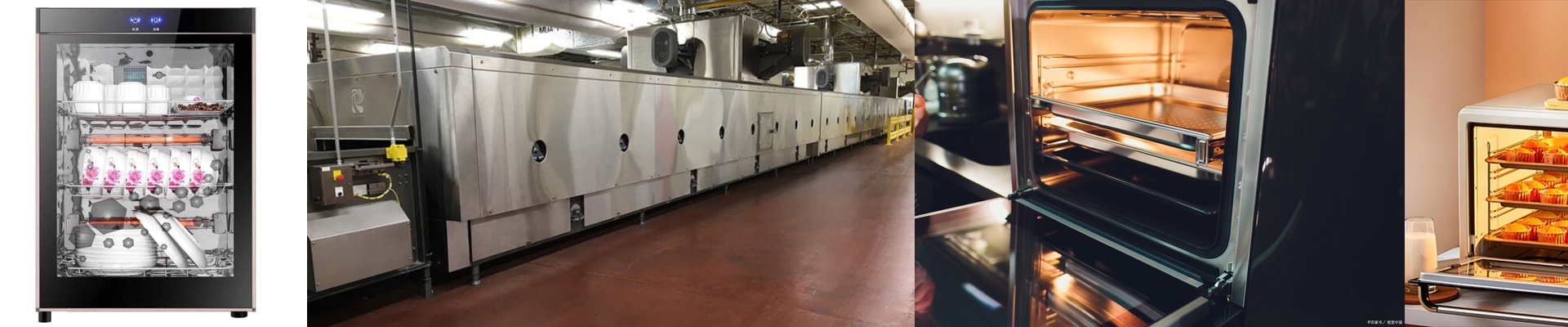
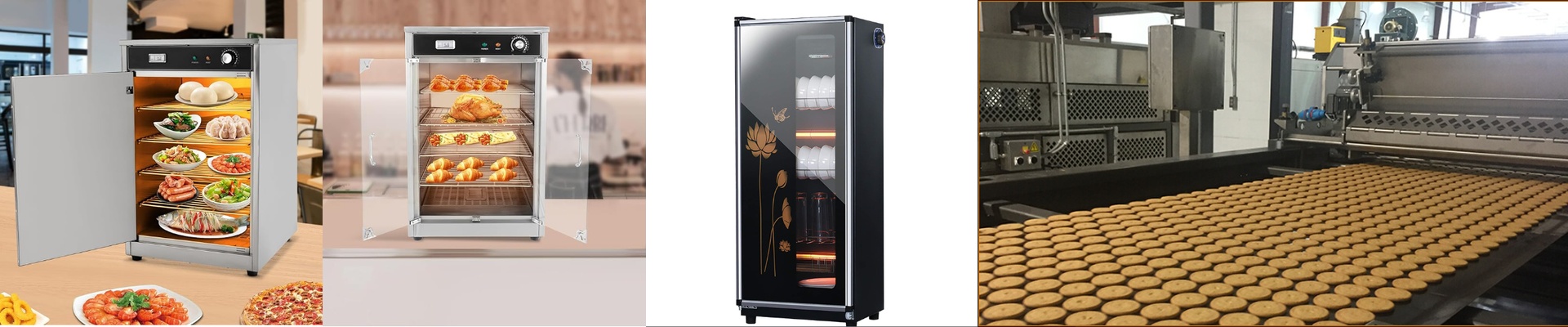
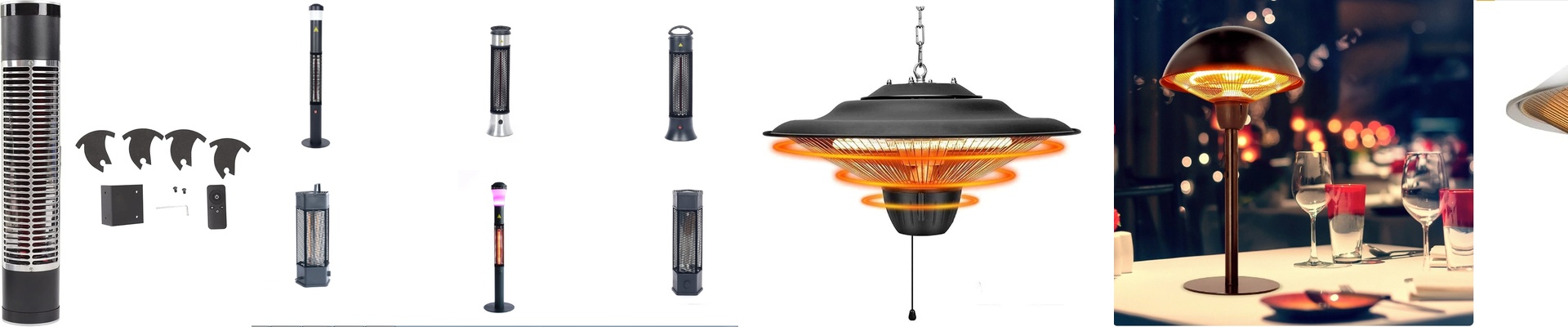
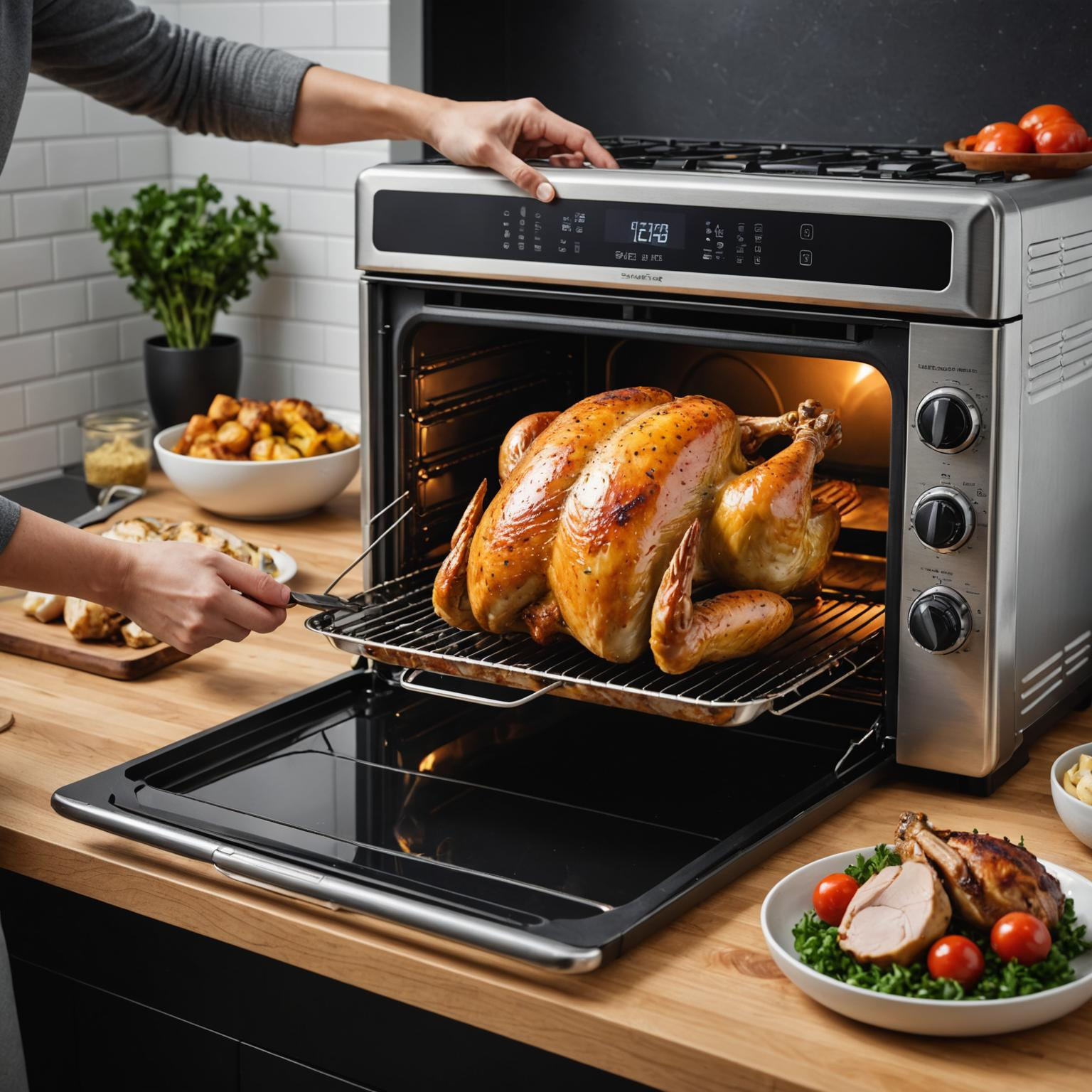
Ever notice how your production just grinds to a halt the second you open the oven door? You slide in a fresh tray, the heat vanishes, and suddenly you’re just sitting there waiting for the temperature to climb back up. It’s frustrating. It ruins the crust, messes with your timing, and honestly, it just slows everything down. That’s why we use auxiliary ceramic heaters. Think of them as a “turbo button” for your oven. The secret is in how they heat. Standard coils spend a lot of time just warming up the air. But these ceramic infrared heaters are different. They send short-wave radiation straight to the food. It’s an immediate hit of energy. When you close that door, you can trigger a burst of high-intensity heat that forces the oven back to the right temperature almost instantly. No more lagging. No more guesswork. Built to take a beating We use high-purity alumina ceramics to hold the resistive wire. Why? Because in a professional kitchen, things get hot—and they stay hot. This setup stops the wires from sagging or burning out when you’re cycling the heat up and down all day. The best part is that you don’t have to tear your whole machine apart to get them. They’re designed to be drop-in replacements. You just wire them into your existing auxiliary rail and you’re good to go. A couple of things to keep in mind Now, you can’t just throw these in without a plan. These elements pull a lot of power. If you cram too many into a machine that wasn’t built for it, you’re going to trip your breakers or, worse, fry your wiring. Just double-check that your contactors can handle the extra load before you start. Also, watch your placement. Because this heat is so direct, it can scorch the top of your food if the elements are too close. We usually tuck them into the top or the back of the chamber. That way, the heat spreads out evenly and you get a perfect bake without the burnt edges.