Municipal facilities—community halls, maintenance bays, lobbies—run on tight budgets. Every degree of heat you don’t need is a kilowatt-hour you shouldn’t have spent, and a unit left running all night just piles on the cost. When the heat fails, staff get uncomfortable, productivity slips, and the complaints start rolling in. You don’t have to cut comfort to control costs. You just have to take control.
What matters under the hood
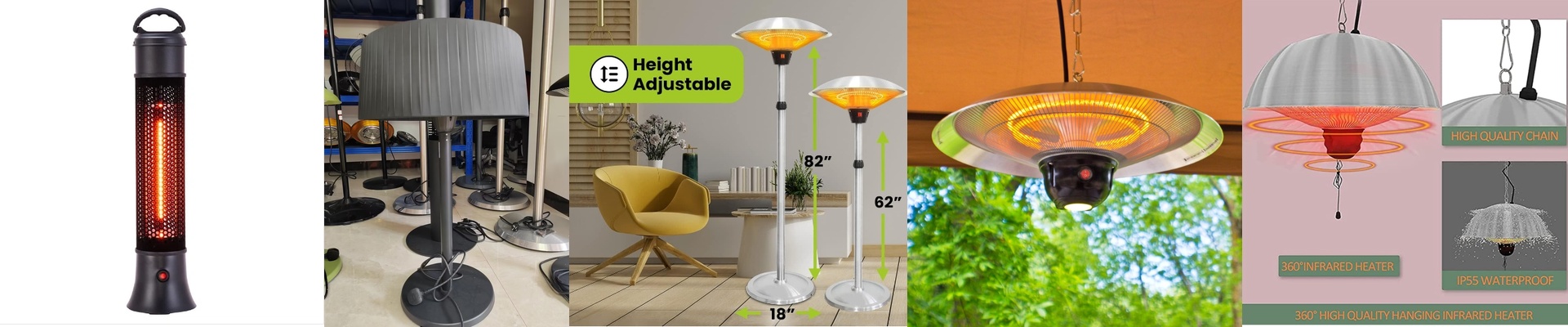
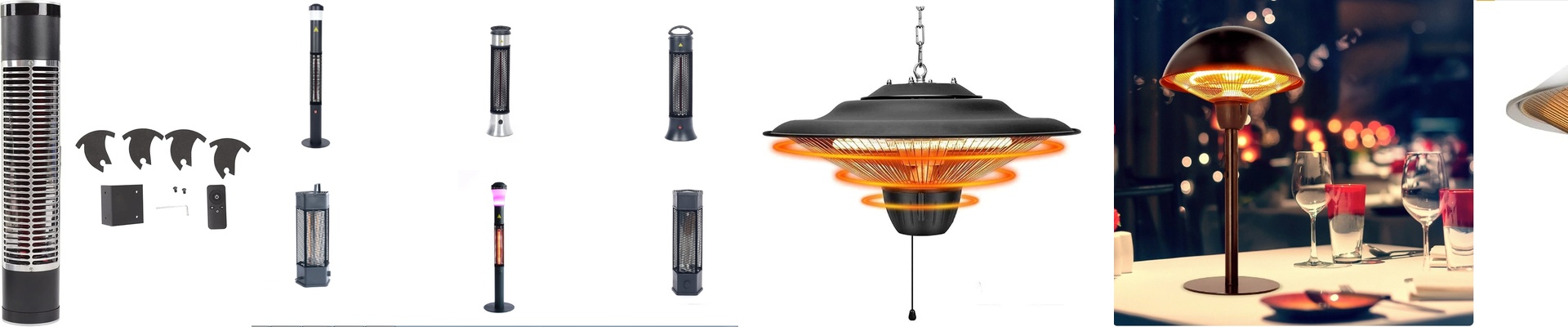
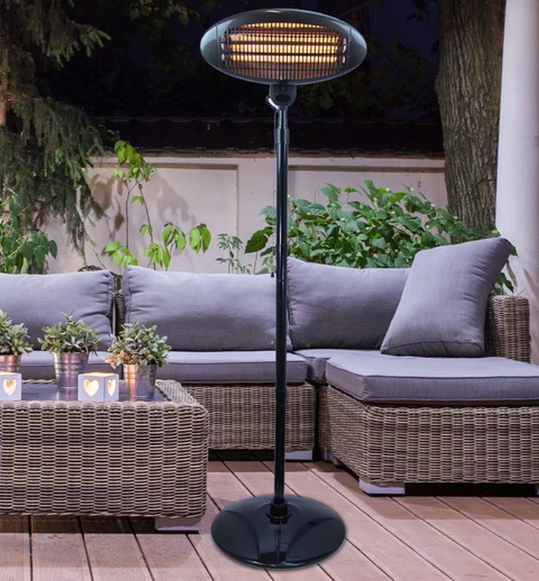
We built our timer electric heaters around short-wave infrared, using a quartz tube with a reflective backing to put focused radiant warmth where you need it. Heat hits the moment you turn it on—no pre-warming, no fan noise. The specs are clean: 240 V, 2–3 kW per module, and a built-in mechanical timer that sets on/off windows in 15-minute steps. Add a thermostat and the unit holds the target temperature without cycling all over the place. The payoff is predictable energy draw, steady comfort, and fewer run hours than a convection setup.
Why this fits municipal work
Public buildings aren’t on a 24/7 heating schedule. You need heat when people show up, not at 3 a.m. With timer control, you program heat to match occupancy—mornings, event blocks, evening cleanup. Infrared warmth heats people and surfaces directly, not the air, so you cut down on drafts and the comfort feels solid even at a lower ambient setting. Municipal crews see lower kWh because the heaters only run when they’re needed, and they come up fast, so the “it’s chilly in here” window gets shorter.
The practical stuff
Infrared works best when the path is clear. Mount units high and aim them to cover the spots people actually move through. In large areas, zone the heaters and set timers by room schedule. These electric heaters run quiet and clean, but the heat is directional—keep direct line-of-sight installations out of sensitive spots. Pair them with solid insulation and draft sealing to push savings further. Set the placement and timing right, and you keep people comfortable without blowing the budget.