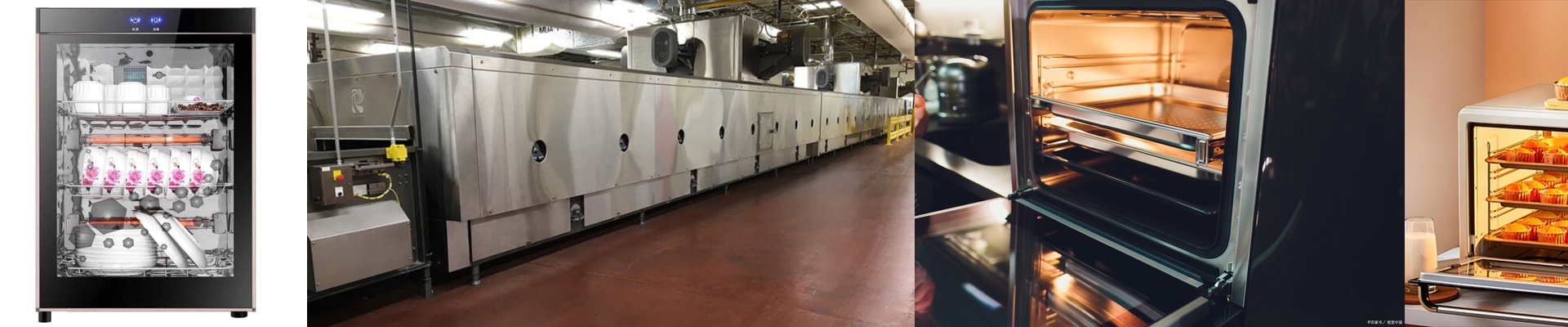
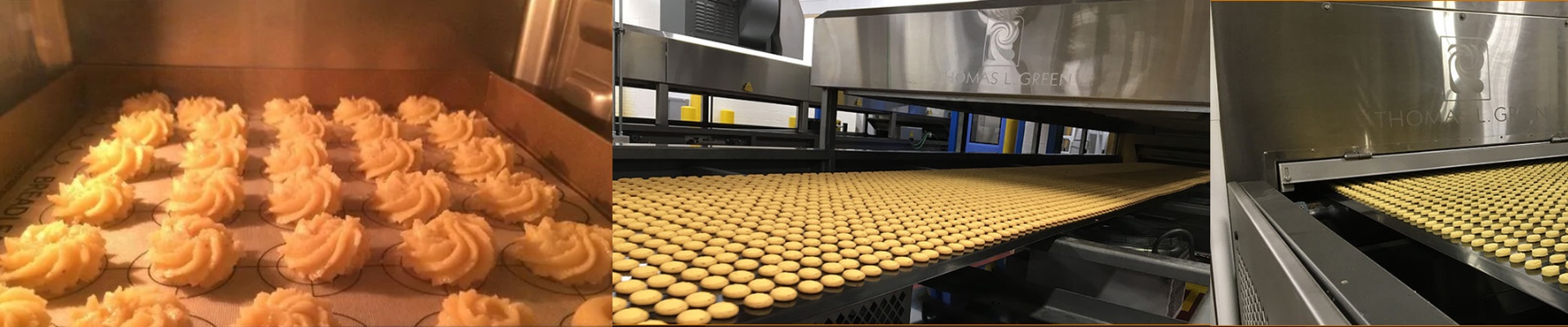
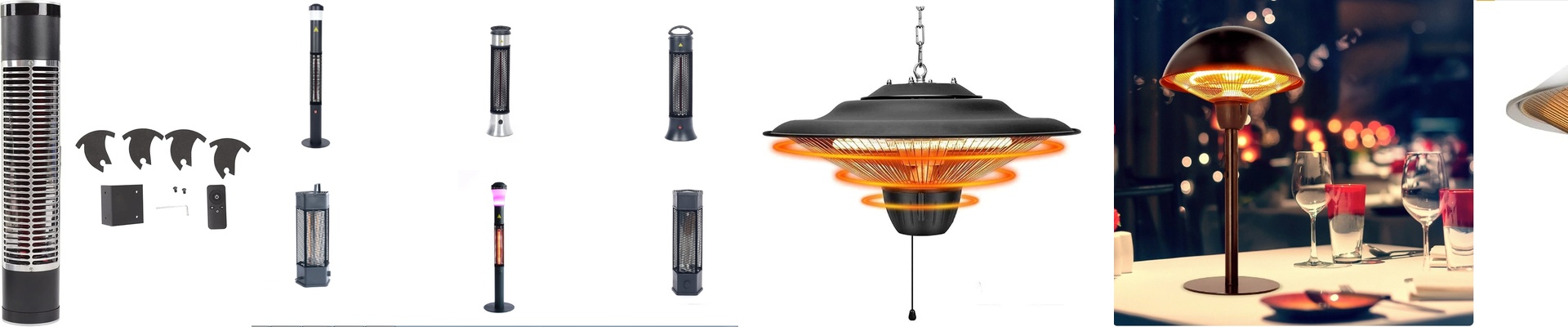
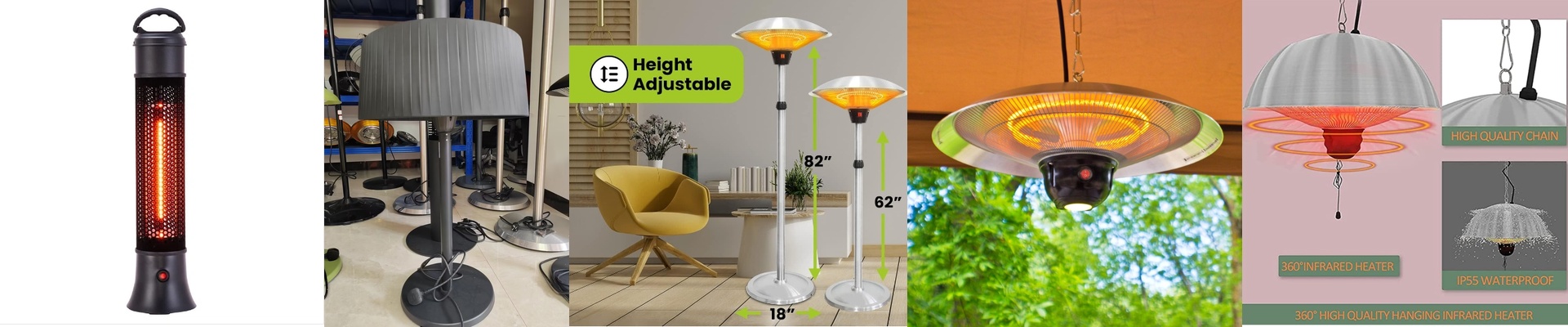

We built this infrared bulb for one reason: to get rotating equipment hot—fast—and keep the heat even. In a rotary oven, you can’t afford cold spots. The goal is simple. The execution? That’s where the real work begins.
Power, voltage, and geometry—kept honest
At the heart of it is a shortwave infrared halogen lamp, tuned for serious heat density. That’s what makes the temperature jump quickly when you flip the switch. We match the voltage and wattage to your oven’s electrical setup, so you get the power you need without stressing the control panel. And the tube length? It’s chosen to match the oven cavity width, so the beam covers the full rotation. Every surface gets direct radiation—not just warm air.
The materials that make it tough enough for the job
The filament uses halogen technology to keep output steady over the life of the bulb. The envelope is quartz, because it can handle the shock of rapid on/off cycling without cracking. A special coating shapes the spectrum, pushing energy into the absorption band of whatever you’re heating. And the R7s connector? It’s the standard footprint for a reason. Two-point contact. Secure. Built to stay put even when the whole assembly is vibrating. You wire it in, and it stays wired.
What it feels like in a rotating oven
As the oven turns, the bulb hits the product directly from start to finish. That means 360-degree exposure—no shadows, no uneven stripes like you get with stationary heaters. You get consistent surface heating with a short warm-up time. The footprint is compact, so you can pack heaters in close when the layout needs to be dense. Just one note: high heat density means your cooling system has to be properly sized for the ambient load. And when it comes to service? It’s straightforward. A true drop-in solution, built for the shop floor—no fuss, just performance.