Stop Guessing Your Heat Settings on the Sidel Matrix
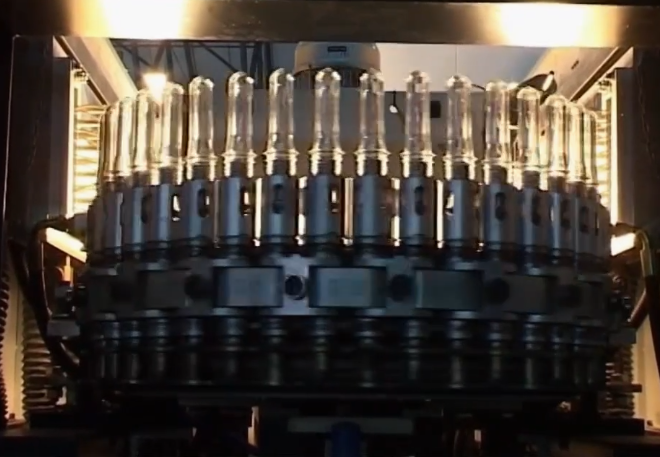
When you swap out a lamp in a Sidel Matrix blower, you’re doing more than just changing a lightbulb. You’re messing with a carefully tuned heat source. If the wattage is off or the light spectrum shifts even a tiny bit, you’re in trouble. Your PET preforms will either come out under-heated or—even worse—scorched. It’s a headache nobody wants on a production run. That’s why we built our replacement lamps to mirror the original heat curve. We didn’t guess; we mapped the parameters 1:1.
The science (without the textbook)
To get the temperature just right, it all comes down to power density. We make sure our lamps hit the exact voltage and wattage the Sidel system expects. If the original calls for a specific amount of power per centimeter, we hit that mark. This means the infrared radiation sinks into the PET wall at the exact same rate as the OEM part. We also use high-purity quartz glass. Why? Because we don’t want the glass envelope soaking up the heat. We want every bit of that energy going straight into the preform.
No modifications, no fuss
These are true drop-in replacements. Whether you’re dealing with an R7s or a specialized Sidel lead, the footprint and connectors are identical. You just wire them up and go. No hacking the oven housing, no “making it fit.” One quick tip: we use a halogen cycle to stop the filament from evaporating too fast. This keeps your light output steady for much longer. But remember, these tubes getinsanely hot. Do yourself a favor and make sure your cooling fans are clean and actually working. If they aren’t, your socket housings are going to take a beating.
What this actually means for your shift
The best part? You don’t have to spend your afternoon tweaking heating profiles and crossing your fingers. You pop the lamp in, keep your usual settings, and the preform hits the blow mold at the perfect temperature. No trial-and-error. No wasted material. Just a machine that works the way it’s supposed to.