

Why Your SIG Blomax Keeps Breaking (And How to Fix It For Good)
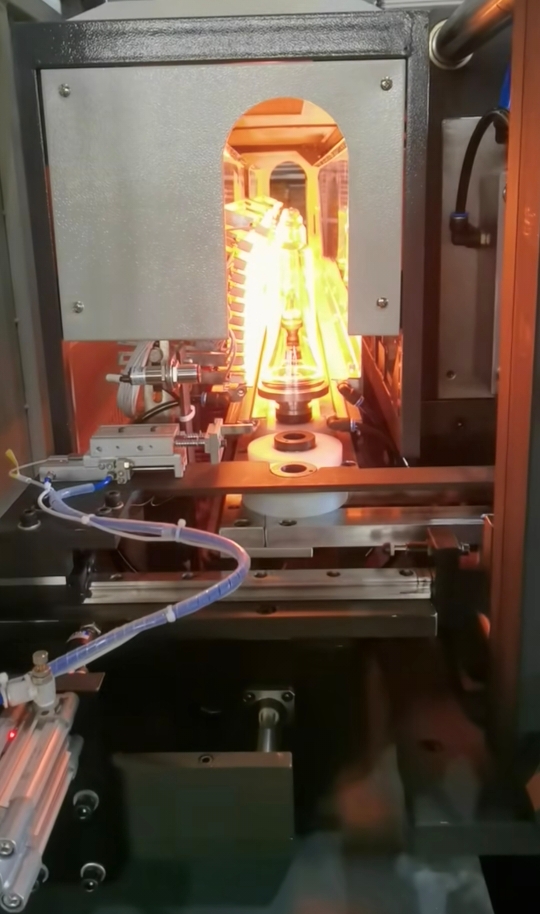
Let’s talk about those frustrating tube failures on your SIG Blomax. You know the drill—the line stops, you’re scrambling, and it always feels like it happens at the worst possible time. Here’s the real issue: it’s usually not just that the parts are old. It’s thermal stress. The constant heating and cooling is putting your tubes through the wringer. So, we built a replacement that’s tougher. A direct-fit heater lamp that doesn’t just replace the old one—it reinforces the weak spots. It runs at 400V and 2500W, exactly what your machine needs to get those PET preforms hot enough, fast. And the 300mm length? It’s a precise fit, so the heat lands exactly where it needs to. This isn’t just a bulb. It’s a purpose-built thermal component.
The Secret is in the Build
Standard heater tubes just can’t handle the pressure of a high-speed line. The rapid temperature swings make them crack. Our solution is a reinforced quartz body, built to take the shock and the expansion stress without breaking a sweat. Inside, the halogen element runs at a steady temperature, so you get consistent heat. The outside coating is designed to bounce that heat right onto the preform, not waste it heating up your machine. And the connector? It’s an R7s base. No debate. It’s a solid, high-amperage connection that handles the power without getting hot at the terminals. It just works.
What This Means for Your Day
When a heater fails on a SIG Blomax, your whole line shuts down. You need a replacement that just drops in and gets the job done. This reinforced lamp is built for the grind. It takes the beating of continuous production and fixes the original design’s weak point. That reinforced structure means far fewer broken tubes and way less unplanned maintenance. And the R7s connector makes swapping it out a quick, clean job, so you’re back up and running fast. Now, a heads-up: this unit packs a serious heat punch. That means your machine’s cooling system needs to be up to the task. But the payoff? Fewer late-night breakdowns. More uptime. And the feeling of knowing your line is running smoothly, the way it should.