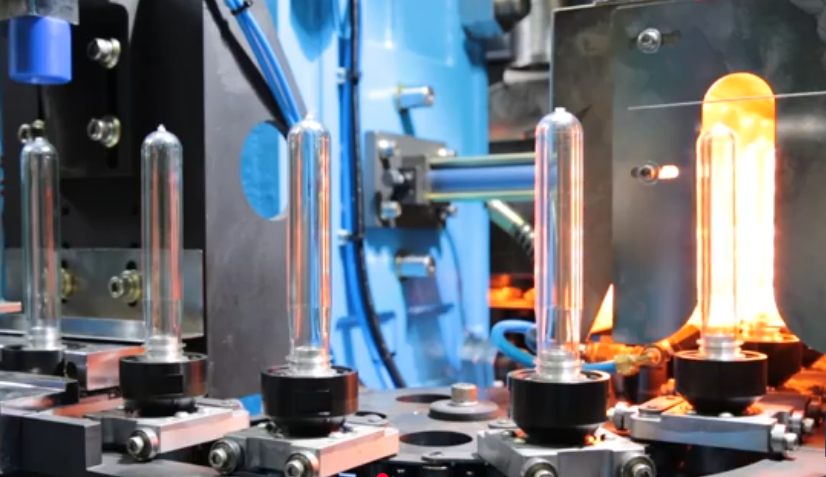
On the blow molding line, heating isn’t a background detail—it’s where the job lives or dies. When your Sidel blow molder is running, uneven preform heating shows up fast: PET wall haze, necks that sit off-center, and scrap that quietly eats your uptime. A mismatched emitter can drift on temperature, and suddenly you’re chasing setpoints in the heating tunnel instead of running the job. What matters, technically We’re talking a 2500W quartz infrared lamp built as a direct fit for Sidel stretch blow molding systems. The quartz tube responds quickly, and the output is tuned to the PET absorption band, so preform heating stays efficient. Power is matched to the OEM heating zone design, meaning the lamp works inside the machine’s thermal budget—no need for the controls to compensate. The payoff is a repeatable temperature curve, not a daily game of guesswork. Why it holds up on the floor In practice, you get a stable thermal profile across the heating tunnel. Heat distributes evenly around the preform, so consistency holds from neck to base. That means fewer thickness swings, cleaner bottle geometry, and less burst risk—especially on sensitive formats. Because the lamp hits setpoint fast, start-up waste drops, and you get back to cycle quickly after a jam clears. Energy stays tight too, since the lamp doesn’t have to run wide open just to hold temperature. The details that make it work Installation is straightforward, but alignment is everything. The lamp has to sit square in the reflector and make clean contact at the R7s socket—any skew changes the heat pattern and can lay down hot or cool bands on the preform. Before you order, verify voltage and connector type against your Sidel model, and confirm the lamp is rated for the duty cycle of your specific blow molder. Treat the quartz as a precision component, not a generic bulb.