
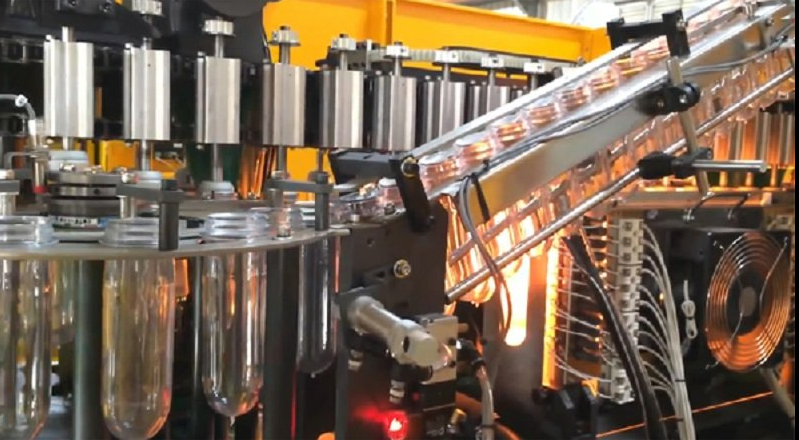
Every blow molding line has one constant headache: unplanned stops that murder your OEE. When the heating tunnel starts acting up, you lose output, you burn extra scrap, and you end up paying overtime just to chase down a single lamp harness. More often than not, the root cause is a harness that doesn’t belong—wrong connector, undersized conductors, or insulation that can’t handle the heat.
What Actually Matters, Technically
The Krones heater lamp wiring harness is built for the heating tunnel, not for a wish list. We match the OEM routing and termination, including the correct connector interfaces for Krones lamp assemblies. Conductors are sized for the lamp’s current draw so voltage drop stays low, which keeps infrared output stable across the preform heating zone. The insulation and jacketing are chosen for continuous high-temperature exposure near the quartz tube and reflector, resisting cracking and premature hardening. Each harness is assembled with strain relief and protected at flex points, so it survives maintenance cycles without failing at the terminals.
Why This Matters on a Krones Machine
On a Krones stretch blow molder, preform heating repeatability is what keeps you running and keeps bottle quality in line. A properly matched harness keeps lamp power consistent, which means more stable preform temperature and fewer rejects from overheating or understretch. The payoff is fewer stops spent troubleshooting lamps and harnesses, and fewer changeovers derailed by heating drift. You also get predictable maintenance intervals—swap the harness as a plug-and-play assembly instead of rebuilding with mismatched parts.
The Practical Stuff You Need to Know
Installation is straightforward, but the environment is brutal. Confirm lamp type and power before ordering, because harness length and terminal pinning have to match the specific emitter. Keep the harness off direct contact with the quartz tube and reflector, and secure it so vibration and thermal expansion don’t load the connectors. Expect service life to depend on ambient temperature and how often the tunnel is opened—inspect the harness at the same time as lamp checks to avoid surprise failures.