Stop Fighting Your Multi-Deck Oven
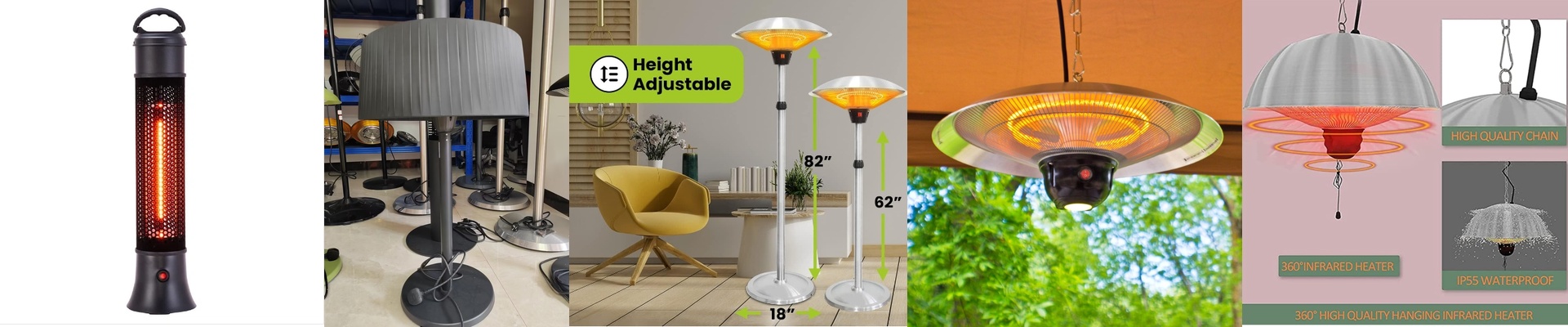
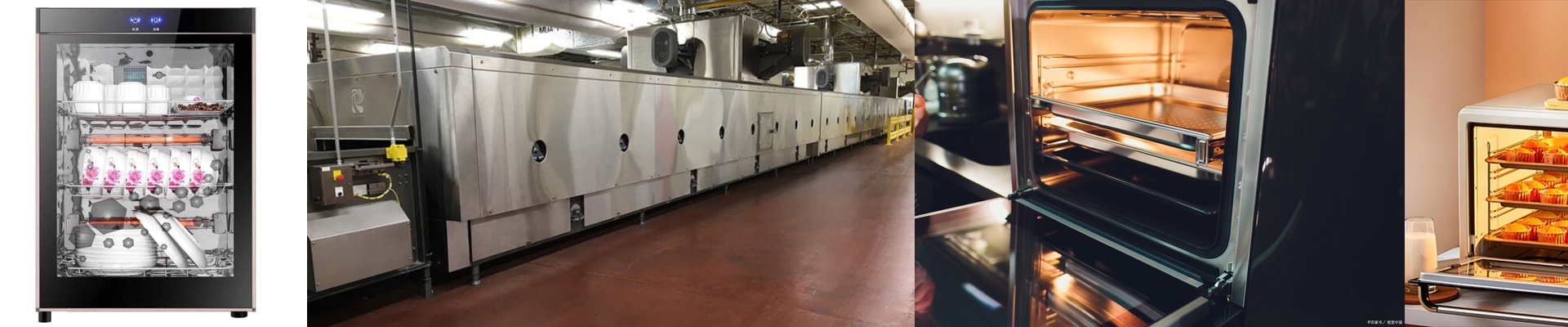
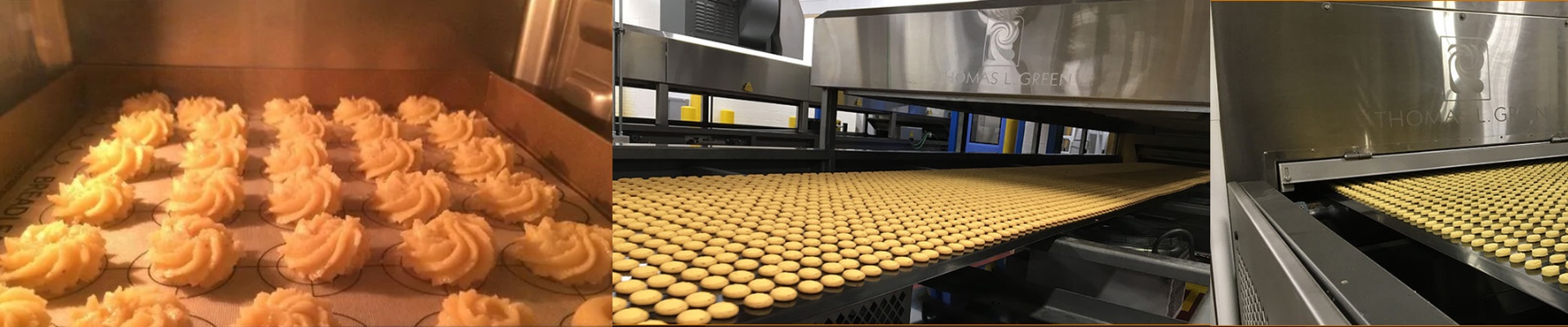
If you’ve ever spent a morning pulling trays out of a multi-deck oven only to find the top rack is burnt and the bottom rack is practically raw, you know the frustration. It’s a nightmare. Most ovens just don’t move heat evenly, and you end up playing a guessing game with your bakes. We decided to stop fighting the air and start using infrared. By swapping out those old-school heating elements for 1000W IR bulbs, we’ve found a way to actually control the heat.
Why IR actually works
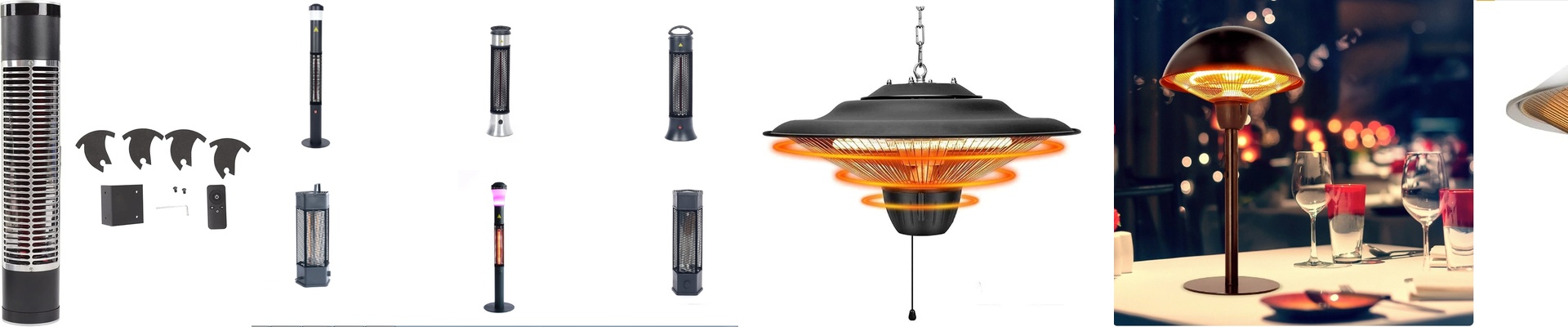
Here is the thing: air is a terrible conductor. Traditional ovens try to heat the air, and then hope that air heats your bread. It’s slow and sloppy. Infrared is different. It uses radiant energy. Think of it like the sun on your skin—you feel the heat instantly, even if there’s a breeze. These 1000W tubes send heat straight into the dough. And because we put independent arrays in every single deck, you’re in charge. If the middle deck is running a bit cold, you just crank up the power for those specific lamps. You get a perfect crust and a soft crumb, no matter where the tray is sitting. It just works.
The gear inside
We use high-purity quartz glass for the bulbs. Why? Because it doesn’t crack when the temperature swings wildly. Plus, that 1000W punch means the oven bounces back almost immediately after you open the door. No more waiting ten minutes for the heat to recover. To keep things steady, we pair them with a fast-acting PID controller. Since IR lamps hit full power the second they’re turned on, you don’t have to deal with that annoying lag you get with heavy metal elements. It’s snappy. Precise.
A few things to keep in mind
Now, it isn’t magic. IR is directional, which means placement is everything. If you mount the lamps too close, you’ll scorch the top of your loaf before the middle is even warm. You have to spend a little time calibrating the distance and the pulsing of the power to get the balance right. Also, don’t forget about airflow around the sockets. If you don’t vent those properly, you’re just asking for your wiring to fry. But once you get it dialed in? It’s a completely different experience.