Stop Fighting with Your SIPA Preform Heaters
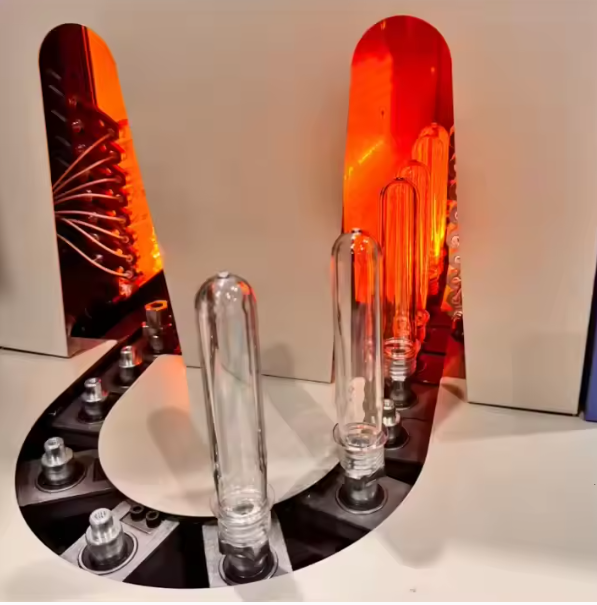
If you’re seeing inconsistent wall thickness in your PET bottles, you already know the headache. You spend hours tweaking the settings, but you still get those annoying hot and cold spots. Usually, the culprit isn’t your machine—it’s your lamps. Here’s the thing: when you mix and match lamps with different wattages or voltages, the heat becomes a mess. One preform gets scorched, the next is barely warm. We fix this by making sure every single infrared lamp we build has 100% power matching. The nitty-gritty on power It sounds simple, but the physics are picky. If your SIPA oven is wired for 230V or 400V, even a tiny 5% slip in lamp resistance changes how much heat actually hits the plastic. That’s why we obsess over the tungsten filament density. By tightening those tolerances, every tube in your oven pulls the exact same current. No surprises. No guesswork. Hardware that just works We use high-purity quartz glass because these things take a beating from rapid heating and cooling. Whether you need R7s or SK15 connectors, these are true drop-in replacements. You just slide them into your existing sockets and you’re done. No rewiring, no fuss. And for the tricky PET jobs? We can add a short-wave coating to the quartz. It pushes the energy straight into the preform instead of wasting it by heating up the machine frame. What this means for your day When your power matches 1:1, you can finally stop messing with your PID controllers every ten minutes. You get a stable thermal profile across the whole rotary cycle, and your bottles actually come out looking the way they should. One quick tip, though. If you decide to go with higher-wattage lamps to speed up your cycles, keep an eye on your cooling fans. More heat means your exhaust system has to work harder to pull the hot air out of the cabinet. If the oven gets too stuffy, your lamps will burn out a lot faster. Keep them cool, and they’ll last.