

Keeping Your Factory Heaters from Burning Out
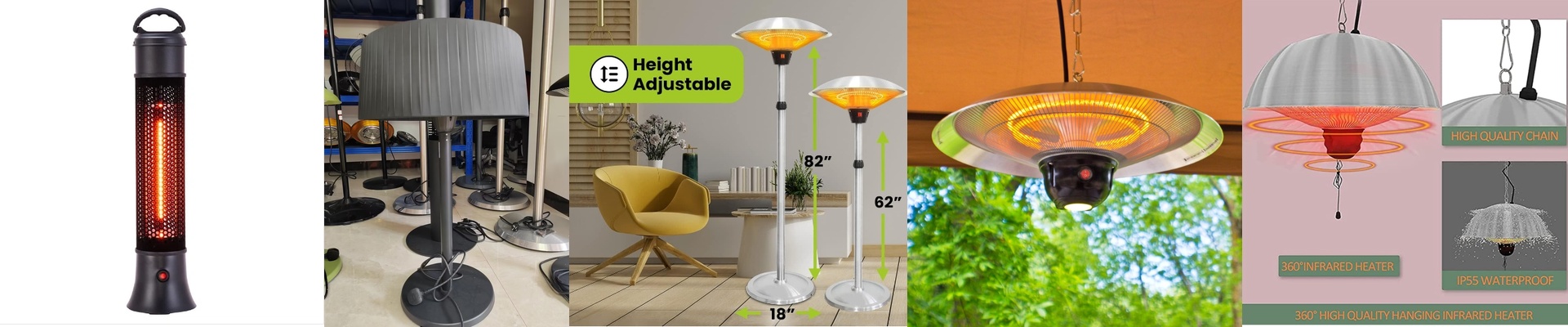
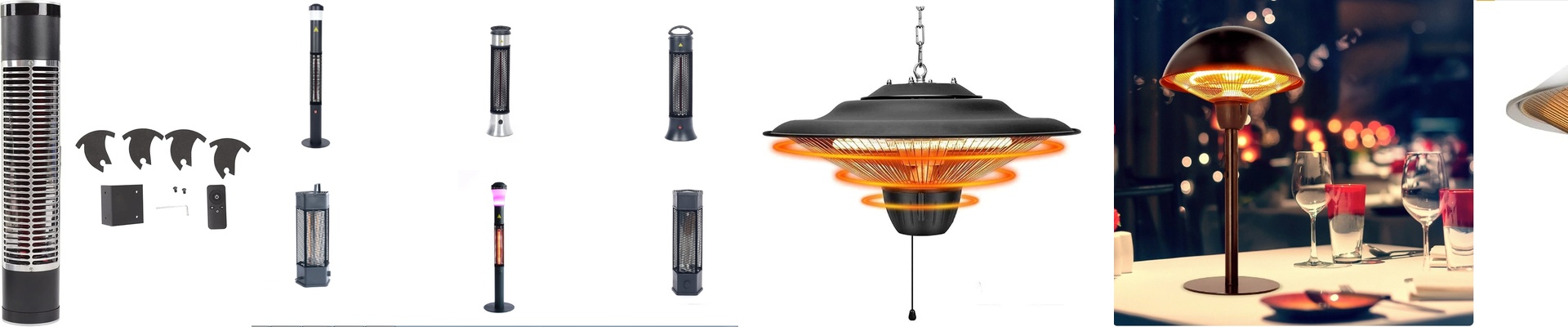
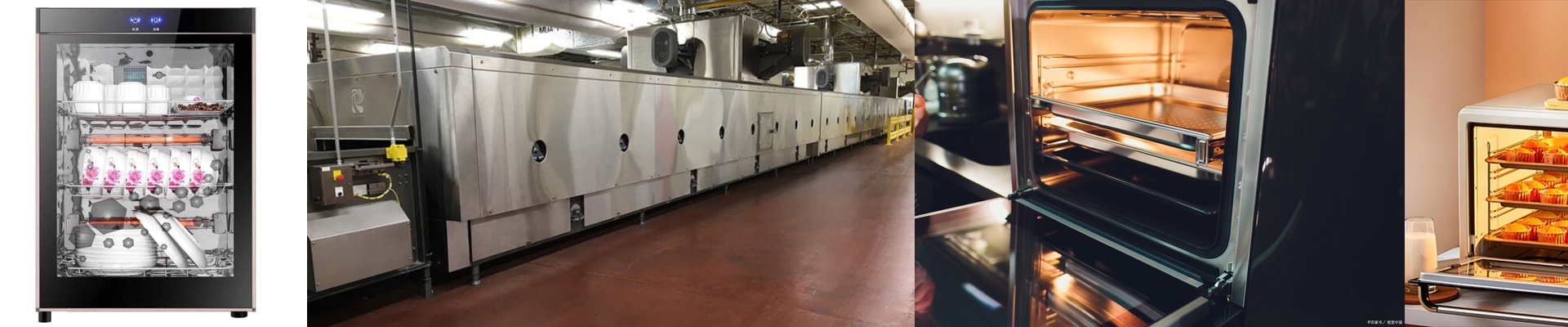
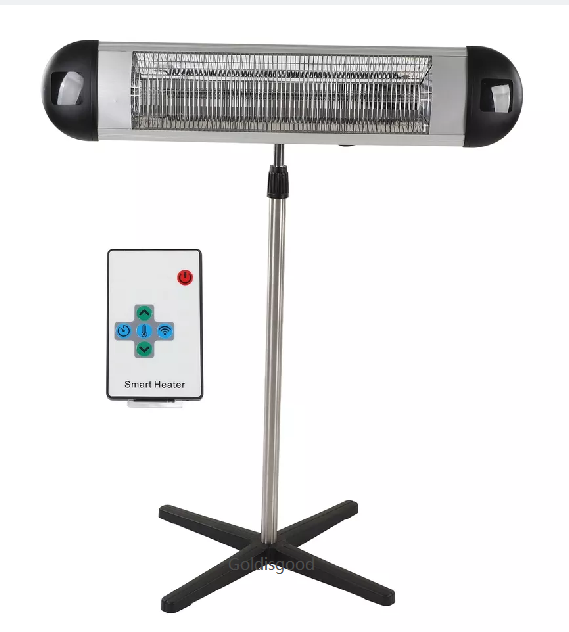
If you’ve ever run a factory floor, you know the ceiling is a brutal place for equipment. You’ve got moisture in the air, oily mists floating around, and gods-know-what splashing upward. For a ceiling-mounted infrared heater, that’s a nightmare. Here is why: when a tiny drop of water or oil hits a scorching hot quartz tube, it doesn’t just evaporate. It causes a thermal shock. This creates micro-cracks in the glass. You can’t see them at first, but they’re there. Eventually, the tube just gives up and burns out way sooner than it should. Dealing with the mess We didn’t want to just put a basic box around the heater and call it a day. Instead, we used sealed gaskets and smart shielding to keep the actual heating elements bone-dry. It stops that annoying “fogging” effect—where condensation builds up on the emitter and scatters the heat. Without that buildup, the warmth actually hits the floor instead of bouncing around the ceiling. And then there’s the electrical side. Coolant mists and cleaning fluids love to find their way into wiring. If water hits a live terminal, you’ve got a short circuit and a very bad day. We built the enclosures to be splash-proof, keeping the wiring completely isolated from the chaos of the shop floor. The honest trade-off Now, here is the catch. Adding protective glass or shields to stop those splashes means you’re putting a barrier between the heat and your workers. Physics is physics—every layer of material absorbs a little bit of that infrared energy. You lose a tiny bit of raw power, but in exchange, your heater lasts for years instead of months. To make sure you don’t actually feel the difference, we just bump up the wattage. You still get the same steady heat on the floor, but the gear stays healthy. Easy fixes and installation Nobody wants to spend a whole weekend rebuilding a ceiling rig just because one lamp died. That’s why we made these units “drop-in.” We use standard connectors, so you can just swap the part, plug it in, and get your line moving again. No custom fabrication, no headaches. Just one tip: make sure you’ve got decent ventilation in the ceiling void. If you’re running these 24/7, the housing needs room to breathe so it doesn’t overheat. Simple as that.