

Stop the Burn-out Cycle on Your SIG Blomax Lines
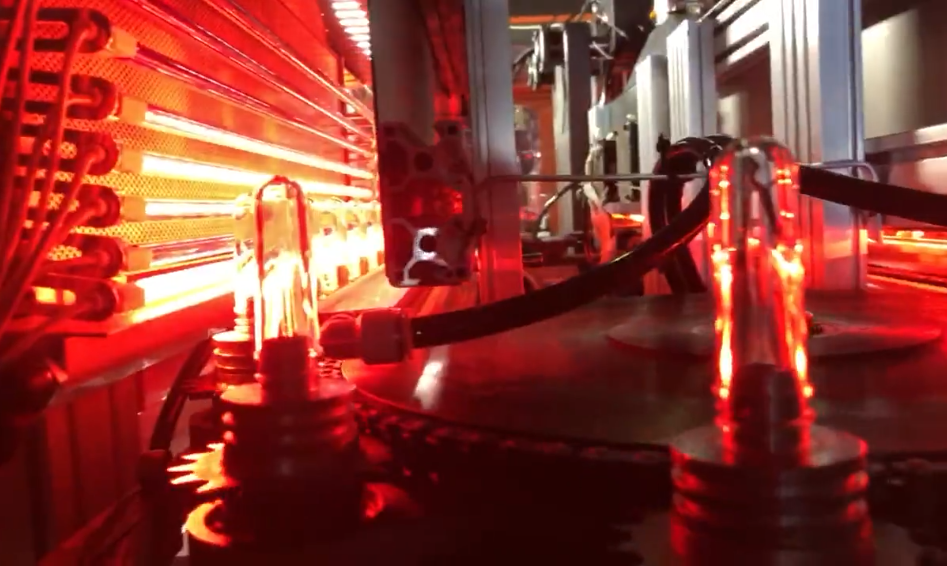
If you’re running SIG Blomax lines, you know the headache of lamps blowing out right in the middle of a shift. It’s frustrating. One tube goes, the line stops, and suddenly you’re scrambling to fix a problem that shouldn’t be happening this often. Usually, it comes down to two things: thermal stress and a bit of shaking.
Why they actually break
Most standard quartz lamps have a weak spot at the pinch seal or where they plug in. Between the constant vibration of the machine and the rapid heating and cooling, those spots just give up. We decided to fix that. We redesigned the structural side of things—thickening the quartz walls and beefing up the filament support. Basically, we made a lamp that can take a beating without cracking. The best part? It’s a drop-in replacement. You don’t have to mess with your wiring or move your oven around. Just swap them in and get back to work.
A word on heat and power
To get PET blowing right, you need serious heat density. But high-wattage shortwave lamps put a lot of pressure on your electrical contacts. If your voltage jumps around, the filament thins out and—snap—there goes your uptime. We build our lamps with tight tolerances so they stay stable, even when the voltage isn’t perfect. But here’s a tip: if you’re pushing higher wattage to speed up your cycles, you’re putting more heat on your reflectors. Check your cooling fans. If they’re clogged with dust, you’re basically baking your own sockets.
Getting them installed
We use standard industrial connectors because they just work. But a quick warning: a loose connection is a death sentence for a lamp. It causes arcing, and the lamp dies instantly. When you’re swapping these out, just double-check that the contact tension feels tight. Look, these reinforced tubes cost a bit more upfront than the fragile OEM ones. But when you think about the cost of a line stop at 3 AM, it’s a no-brainer. You’re paying for the peace of mind that your lamps will actually last.