

Keeping Nightclub Patios Warm (Without the Gear Burning Out)
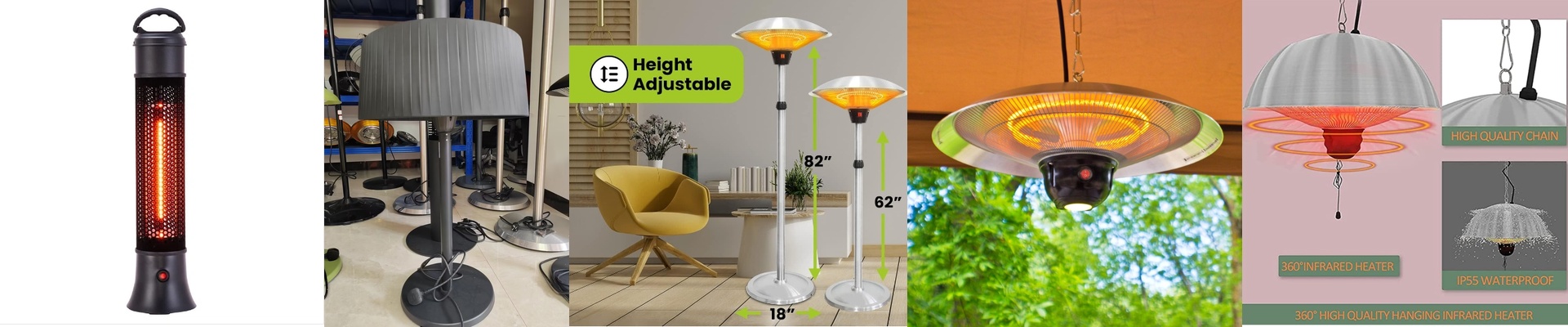
Let’s be honest: nightclub patios are a nightmare for heating equipment. You’ve got sudden rain showers, thick humidity, and a crowd of people breathing out steam. Most standard infrared lamps just can’t hack it. They soak up moisture or crack from the temperature swings, and then you’re left with a cold patio and a dead heater. We decided to build something that actually survives the chaos.
The battle against water
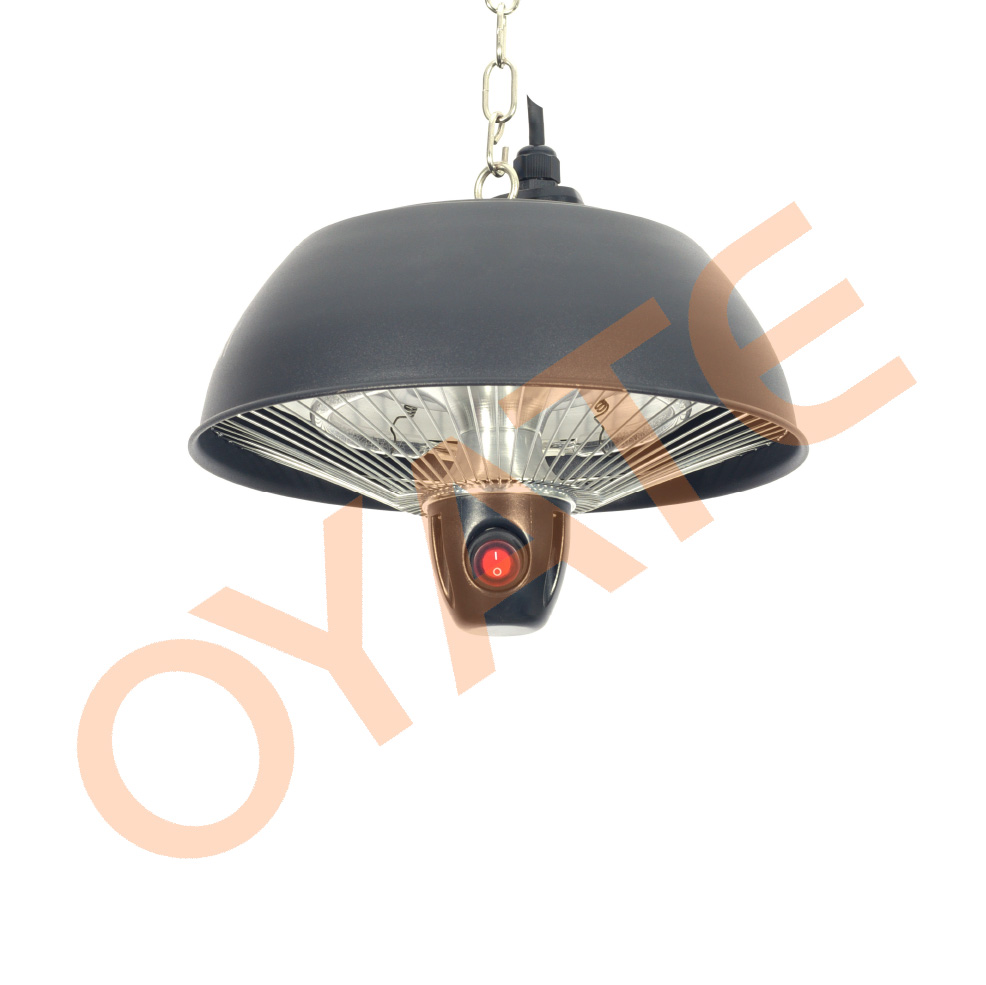
Water and high-voltage electricity are a terrible mix. To keep things from shorting out, we don’t just “seal” the units—we lock them down. We use heavy-duty silicone gaskets and reinforced seals right where the wiring hits the housing. It keeps the splashes out and the power flowing. Then there’s the fog. You know that thing where a hot lamp hits damp, cold air and instantly fogs up? That creates “cold spots” on the glass, which is basically a recipe for a crack. We fixed this with a specific coating and better airflow around the emitter. It keeps the glass clear and, more importantly, keeps it from shattering under the pressure.
Heat that actually works
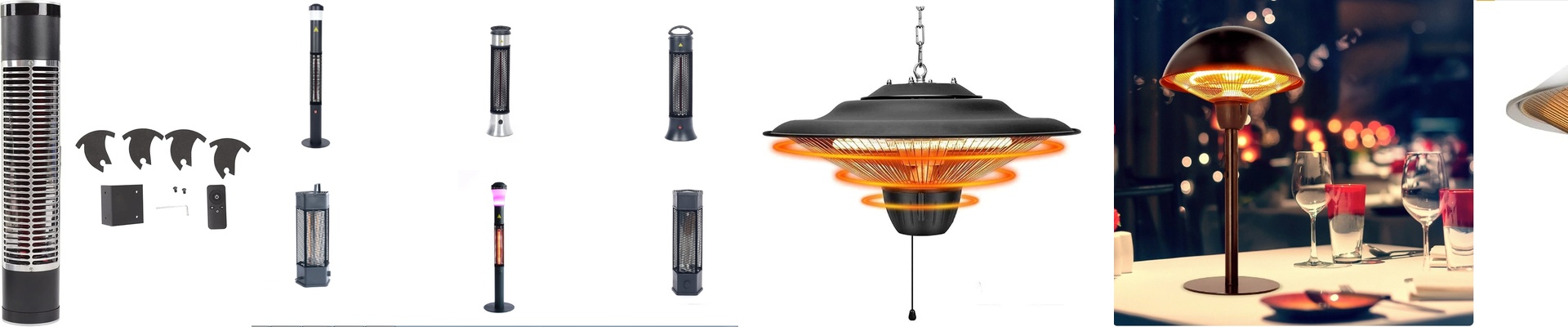
We went with shortwave infrared. Why? Because it doesn’t waste time trying to heat the air—which is useless the second a breeze kicks up. Instead, it beams the heat directly onto your guests. They feel it instantly. We also beefed up the wiring. These things often run for 12 hours straight during a busy weekend. Standard wires get hot at the connection points, but ours are spec’d for high-current loads so they stay cool while the guests stay warm.
The real-world trade-offs
Look, these heaters take a beating, and because we’ve sealed the internals so tightly, they generally last about 30% longer than the cheap stuff. But there’s a catch. When you seal a housing this well, you lose some of that natural airflow. This means you can’t just slap them anywhere. You’ve got to make sure the mounting brackets have enough breathing room so you don’t accidentally overheat the ceiling or the wall they’re attached to. One last tip: when you’re wiring these in, use moisture-resistant conduits. There’s no point in having a waterproof heater if the wiring leading into it is exposed to the elements.