
Stop Fighting Bathroom Mold (and Just Get Warm)
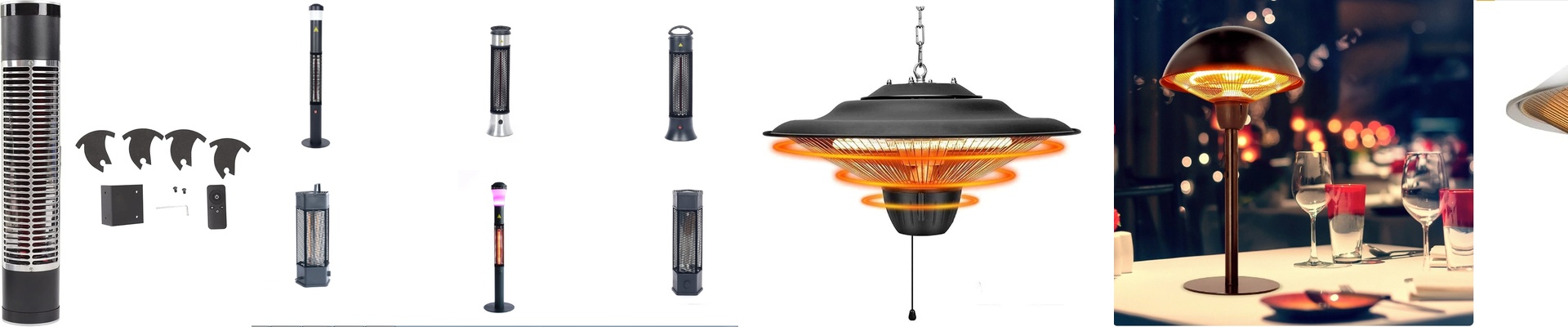
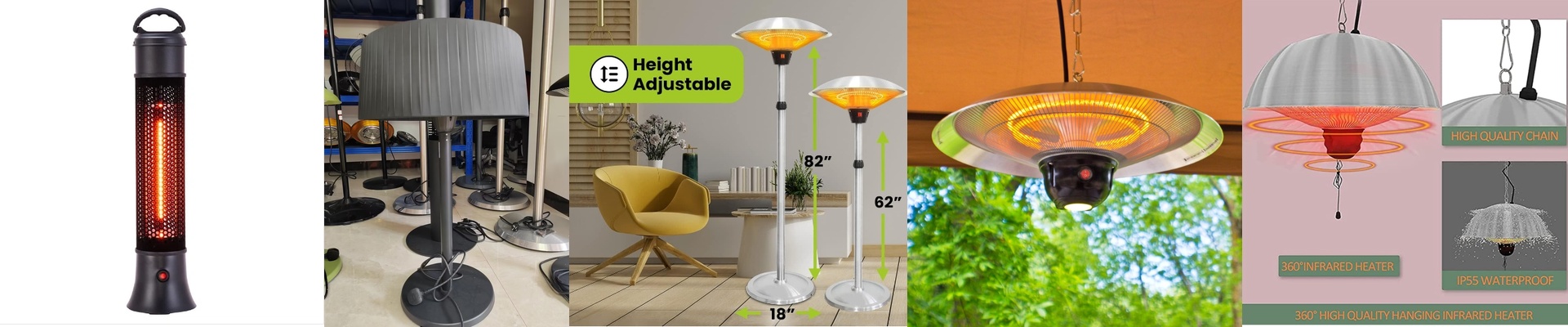
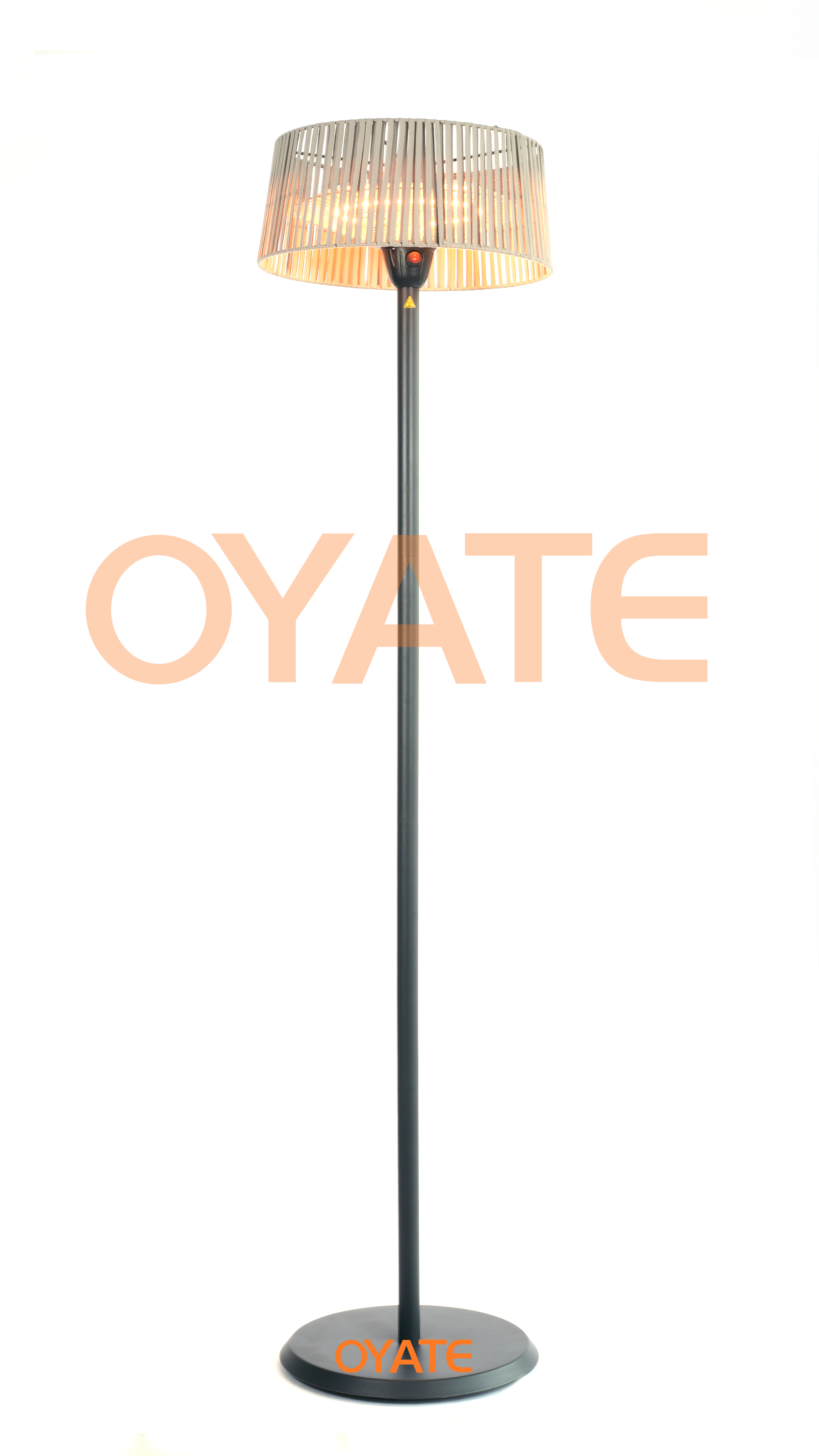
Most people think of a bathroom heater as a way to keep from shivering when you step out of the shower. But if you look at it differently, these things are actually your best weapon against moisture. When we build our infrared lamps, we aren’t just trying to heat up the air. We’re targeting the water itself.
Why your walls stay damp
Here is the thing about standard heaters: they warm the air. But if your walls are still cold, that warm air hits the tile and turns right back into condensation. You end up with those annoying little droplets everywhere. Our infrared lamps work differently. They send out shortwave radiation that actually sinks into the tiles and grout. It warms the wall itself. When the wall stays warm, water can’t settle on it. No condensation means no standing water. And since mold needs a damp place to move in and take over, keeping the surfaces dry stops the problem before it even starts.
A passive way to dry out
We’ve tuned these lamps to hit the exact frequencies that water molecules absorb. It basically makes the water vibrate, which speeds up evaporation. It’s like having a passive dehumidifier. You don’t have to rely entirely on a loud, dusty exhaust fan that probably isn’t even strong enough for your room.
The “Catch”
I’ll be honest—this isn’t magic. Shortwave infrared is intense. If you mount these too close to cheap acrylics or plastic fixtures, you might actually warp the material. It’s powerful stuff. To avoid that, we suggest leaving a bit of breathing room and using a timer. You don’t need these running all day. A quick 15-minute blast after your shower is usually plenty to strip the humidity out of the air. If you really want to set it and forget it, wire the lamps to a moisture sensor. That way, they only kick in when the room actually gets humid. It saves power, makes the bulbs last longer, and you never have to think about it again.