Getting the Heat Right in Rotary Ovens
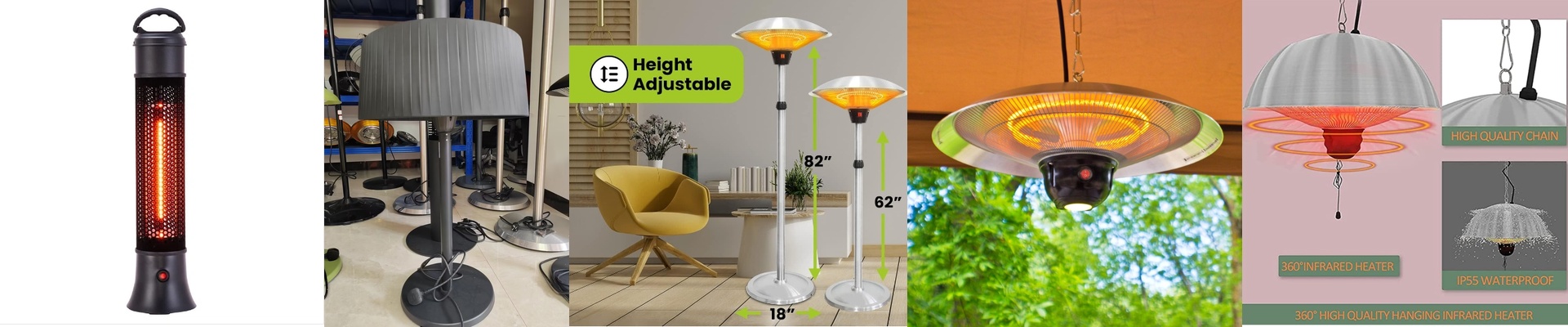
Ever pull a tray of bread out of the oven only to find one side is perfectly golden while the other is still pale? It’s frustrating. That happens when your oven has “cold spots”—basically, the heat isn’t hitting every inch of the rack equally. To fix this, we use stainless steel infrared (IR) tubes designed to throw heat in every direction.
How we kill the “cold spots”
Most heating elements just push heat in one direction, which is why you get those annoying uneven patches. We do things differently. We take quartz-halogen IR tubes and wrap them in precision stainless steel reflectors. Think of the reflectors as mirrors for heat. Instead of letting the infrared waves waste away at the back of the oven, the reflectors bounce them right back onto your product. Then, we arrange these tubes in a staggered pattern around the rotating carousel. As your bread spins, it passes through overlapping zones of heat. No gaps. No dead spots. Just a consistent sear all the way around.
The nitty-gritty on materials
We stick with high-grade stainless steel for the housing. Why? Because professional kitchens are humid, and nobody wants their equipment rusting out. The cool part is the short-wave spectrum these tubes use. Instead of wasting time heating up the air inside the oven first, the heat hits the dough almost instantly. It’s fast. Really fast. But a word of caution: these tubes pack a punch. Because the heat density is so high, you’ve got to make sure your oven is properly insulated. You don’t want the outside of the chassis getting hot enough to burn someone’s hand. Also, keep an eye on your airflow. If you crank the wattage too high without enough air moving around, you might fry the ends of the tubes where the wires connect.
Real-world tips for installation
We designed these to be drop-in replacements. You shouldn’t have to rebuild your whole oven to use them. We also used reinforced connectors, so they won’t shake loose while the oven is spinning. One thing to keep in mind: short-wave IR is aggressive. It’s great for cutting down preheat times, but it can be a bit too much for delicate pastries. If your carousel is spinning too slowly, you’ll scorch the tops. The trick is finding that sweet spot between your rotation speed (RPM) and the wattage of the tubes. Get that balance right, and you’ll get a perfect bake every single time.