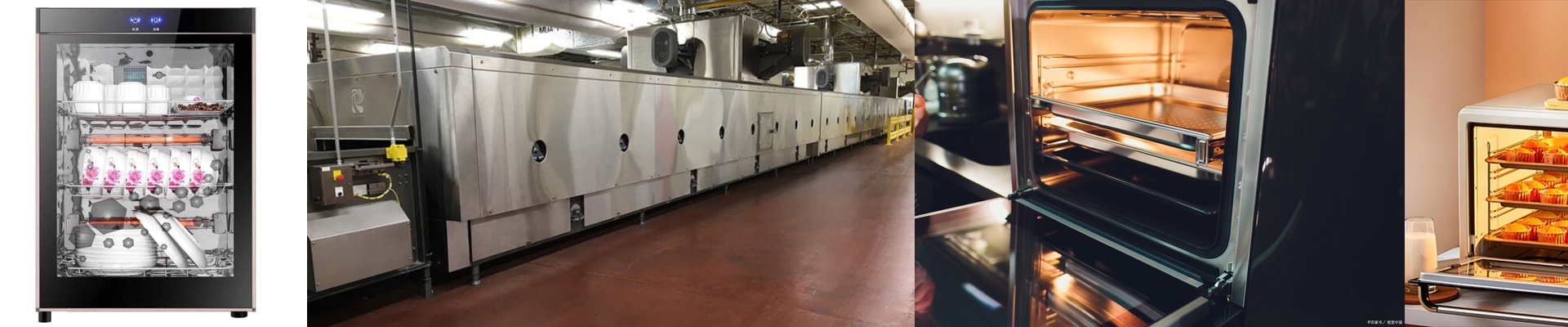
Stop Waiting for Your Oven to Heat Up
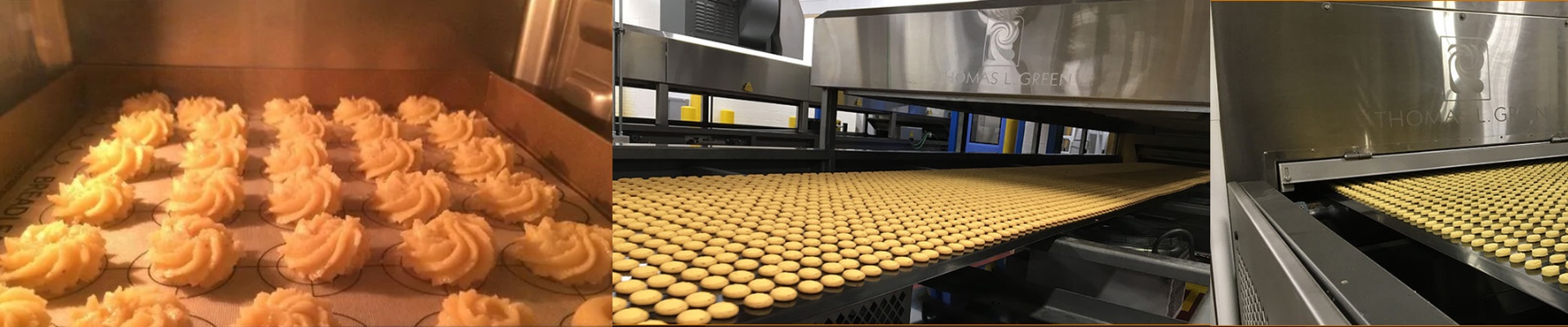
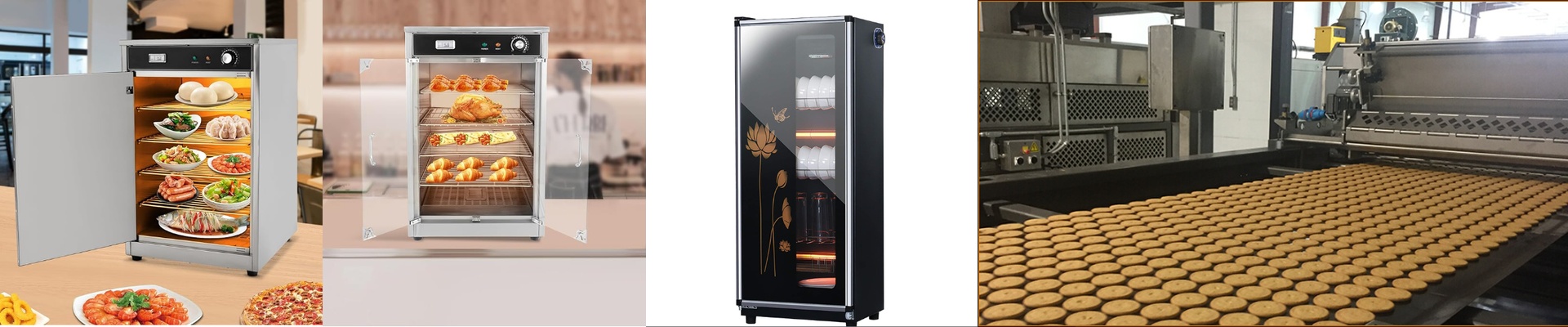
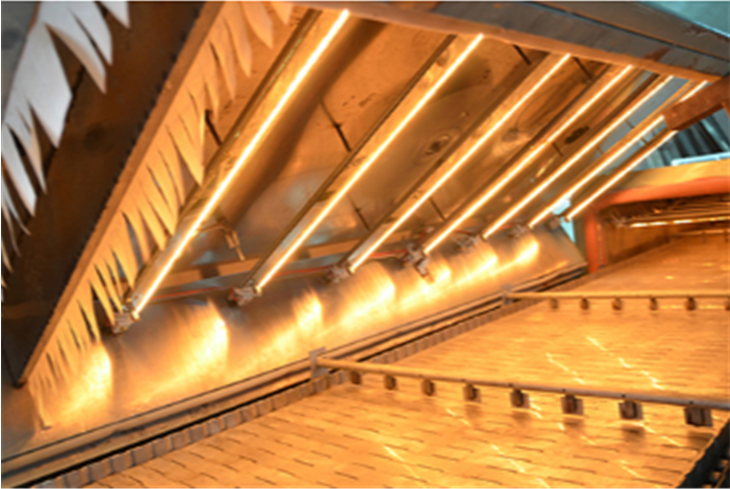
We’ve all been there. It’s the middle of a dinner rush, the tickets are piling up, and you’re just standing there staring at the oven, waiting for it to finally hit the right temperature. It’s a bottleneck that kills your momentum. Standard convection ovens are fine, but they’re slow to get moving. That’s why we use infrared (IR) auxiliary heating tubes. Here’s the secret: traditional elements waste time trying to heat up all the air in the oven first. IR tubes don’t bother with that. They send shortwave radiation straight into the food and the trays. It’s direct. It’s immediate. Why it actually works If you want to cut your heating time in half, you need raw power density. We build these replacement tubes to pump out concentrated thermal energy. Instead of waiting for the whole cavity to warm up, the IR tube just blasts the product. It cuts out the lag. Your preheat time drops, and your kitchen finally gets into a rhythm that actually works. The nitty-gritty on the hardware We use high-purity quartz glass for these. Why? Because when you’re cycling heat on and off rapidly, cheap glass cracks. Quartz doesn’t. Inside, most of our restaurant-grade tubes have a halogen-filled core. It keeps the tungsten filament from burning out too quickly, so you aren’t replacing parts every other week. You’ll usually see these with R7s or Sk15 connectors. They’re standard drop-in replacements, meaning they just fit. We make sure the electrical contact is tight, too. If a connection is loose at this kind of wattage, you’ll get arc-overs and burnt sockets—and nobody wants to deal with that during a shift. A few things to keep in mind Now, these tubes pack a punch, but that puts a load on your electrics. If you’re swapping in a higher-wattage tube to speed things up, do yourself a favor and check your wiring gauge and breaker capacity first. If you push too much heat through a wire that can’t handle it, you’re just going to pop a fuse. Also, remember that these are built for speed, not for a slow simmer. Use them for that initial blast or a quick sear. If you try to use them for long-term temperature maintenance, you’ll burn out the filament way faster than a standard element. Use them for the sprint, not the marathon.