



Why Your Bathroom Heater Probably Sucks (and How to Fix It)
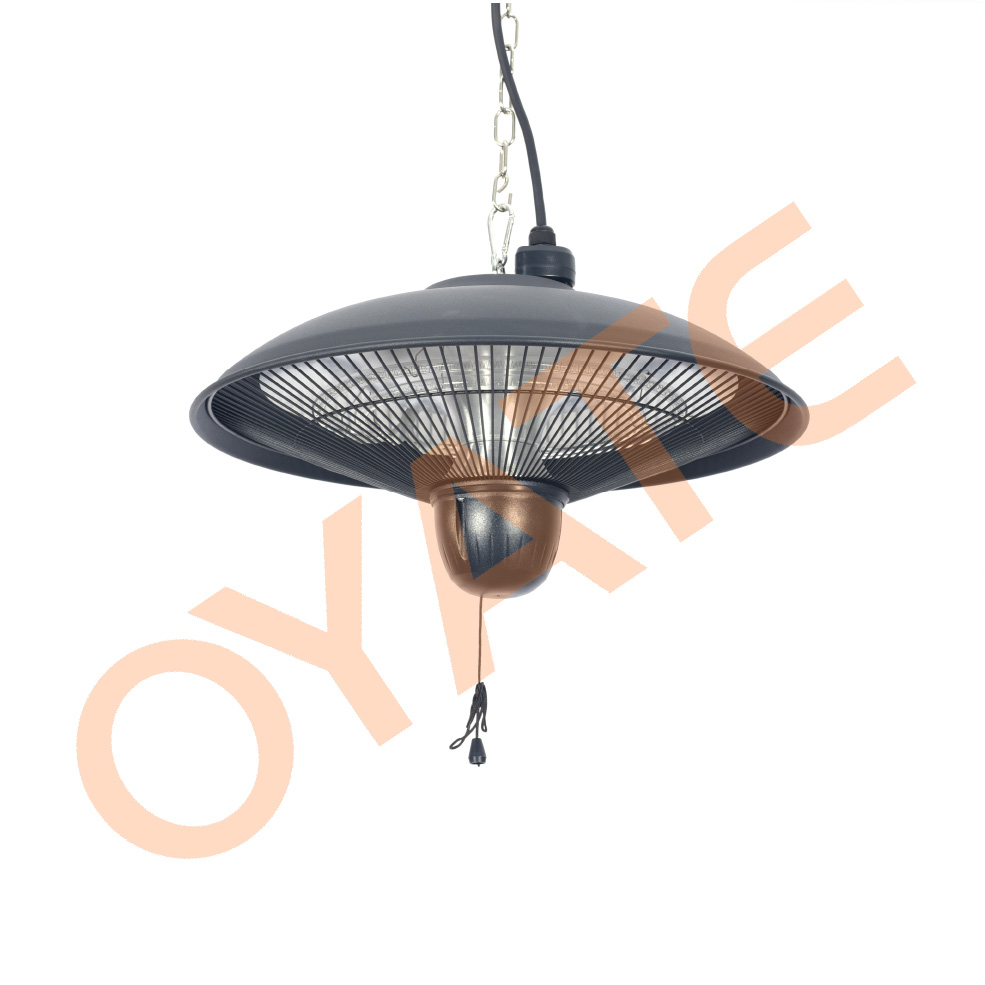
Ever notice how those old-school bathroom heat lamps take forever to actually make you feel warm? That’s because they’re trying to heat the air. But in a bathroom, the heat just floats straight up to the ceiling, leaving you shivering in your towel. That’s why we’ve moved toward mirror infrared heaters. Instead of fighting with the air, these go straight for the target—you. It’s like stepping into a patch of sunlight on a cold day. The secret is in the mirror. Most infrared elements throw heat in every direction. If you just slap one in the ceiling, half that energy is wasted heating up the fixture itself. Pretty pointless, right? We use parabolic mirrors to catch that heat and bounce it downward in a tight, concentrated beam. This means you get a lot more warmth exactly where you need it—on the floor—without having to blow a fuse by cranking up the wattage. Dealing with the steam Bathrooms are brutal on electronics. Between the shower steam and the humidity, cheap heaters just give up. Moisture seeps in, the wires corrode, and suddenly the whole thing shorts out. To stop that, we use heavy-duty sealed gaskets and moisture-proof coatings. We’re obsessive about the IP ratings because if the seal fails, the mirror inside starts to oxidize. Once that happens, your reflection (and your heat) disappears. A few things to keep in mind Here’s the deal: shortwave infrared is instant. There’s no “warming up” period. You flip the switch, and you’re warm. But because it’s so powerful, you have to be careful with placement. If you put a high-wattage heater in a low ceiling, it can actually feel like a sting on your skin. It’s all about balancing the power with the height of your room so you don’t end up with “hot spots.” If you’re swapping out an old lamp heater, it’s a pretty simple drop-in job. Just a heads-up though: check your circuit breaker. These can cause a quick surge when they kick on. If you’re installing a few of them in one room, I’d strongly suggest running a dedicated line. It’s just safer.