Don’t Burn Your Ceiling Down: A Guide to Outdoor Heaters
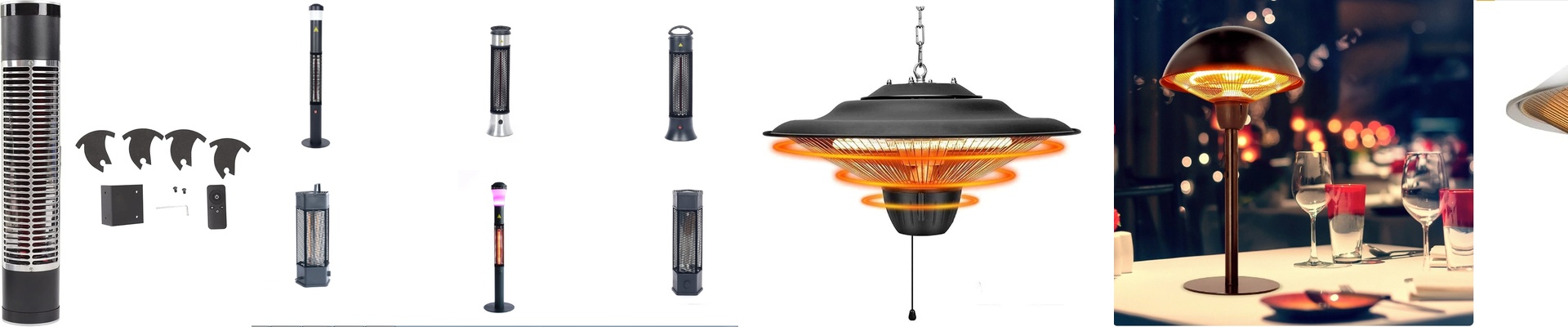
If you’re putting infrared heaters in your outdoor dining area, don’t just slap them up and hope for the best. It’s not as simple as plugging them in. You’ve got to think about the gap between the heater and your ceiling, or you’re asking for trouble. Most of these commercial units push heat straight down. But if they’re tucked too tight against a low ceiling, that heat has nowhere to go. It builds up. Before you know it, you’re looking at warped panels or—even worse—triggering your fire sprinklers in the middle of a dinner rush.
Give Your Heaters Some Room to Breathe
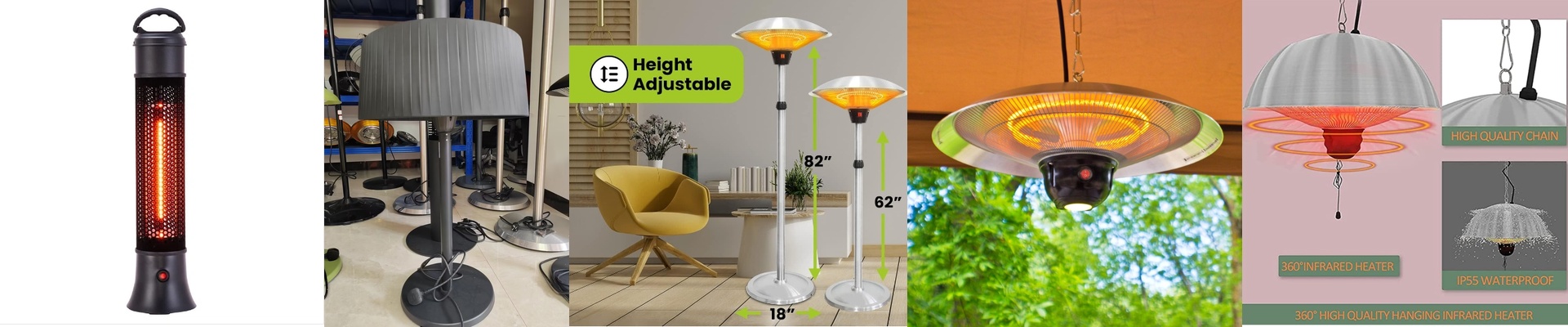
I usually suggest keeping the units about 1.5 to 2 meters off the floor. But the real mistake people make is the gap above the heater. You need at least 30cm to 50cm of open space. Here’s the thing: shortwave heaters don’t really “warm the air.” They warm whatever they hit. But the actual housing of the unit still gets hot. If there’s no airflow, the internals just bake. That’s a fast track to burning out your equipment way sooner than it should.
The Secret to Keeping Tables Full
Want people to actually stay in those seats when it’s freezing outside? You need “thermal zones.” Don’t just buy one massive heater and blast the whole patio. It never works. Instead, use a few smaller units tailored to the height of your space. You’re aiming for that sweet spot—around 22°C to 26°C—right at shoulder height. When your guests feel that warmth, they relax. They stay for another round of drinks. They don’t get that annoying chill in their bones that makes them want to run back to their cars.
The Boring (But Important) Electrical Stuff
High-wattage heaters put out a ton of heat, but they’re thirsty for power. You’ve got to make sure your circuit breakers can actually handle ten or twenty of these running at once. There’s nothing worse than the power cutting out the second your restaurant hits full capacity. Plus, think about the layout. You don’t want “hot spots” where one guest is sweating through their shirt while the person at the next table is shivering. Space them out and run dedicated lines. It just works better.