Making Pizza Faster with Shortwave IR
Most convection ovens just heat up the air and hope for the best. It’s slow. It takes forever for that heat to actually get into the dough. We do things differently. We use shortwave infrared (IR) elements that skip the middleman. Instead of heating the air, the energy hits the pizza directly. In the real world, that means your bake time drops from five minutes down to about 90 seconds. It’s a massive difference in speed.
How it actually works
Think of it like the sun on your skin. You don’t need the air around you to be 100 degrees to feel the heat; the radiation just hits you. Our IR lamps do the same thing. They send electromagnetic energy straight through the cheese and into the crust. You get a faster rise and a much crispier base because you aren’t waiting for the whole oven cavity to warm up. It just happens.
The nitty-gritty on the gear
We build these using high-purity quartz tubes. Why? Because they can handle the “thermal shock”—the wild swing from cold to scorching hot—without cracking. We even add specific coatings to the tubes to make the heat hit exactly where it needs to. But here is a heads-up:keep an eye on your power. These elements pull a lot of juice. If you try to slide these into an old oven without checking your wiring or upgrading your electrical panels, you’re going to trip your breakers. Don’t skip the electrical check.
Getting it running
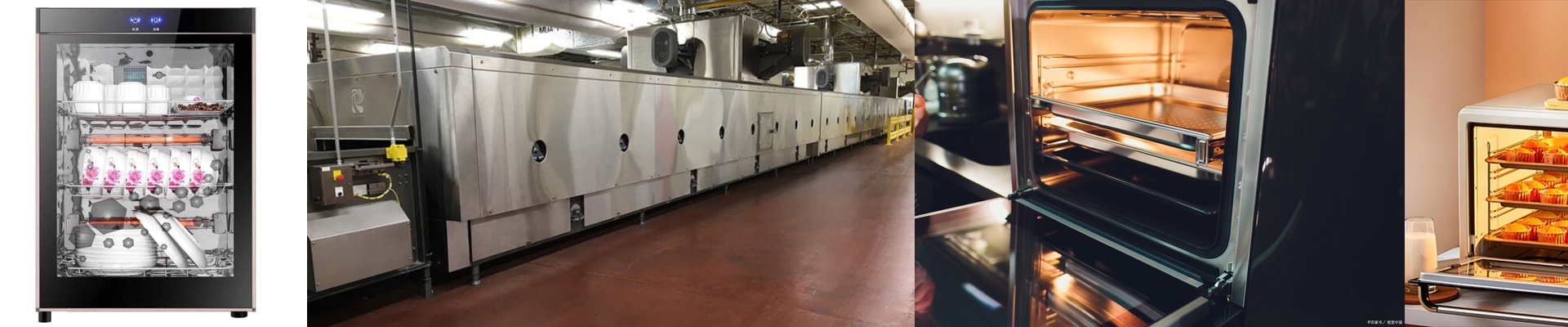
The good news is that these are basically drop-in replacements. We use standard connectors, so you can swap them out quickly during your downtime without a headache. Just remember, shortwave IR is intense. It’s aggressive. If your conveyor belt is moving too slowly, you’ll end up with burnt toppings and a raw center. You have to find that sweet spot between the belt speed and the lamp’s wattage to avoid hot spots. As long as your cooling system can handle the heat buildup around the housings, you’re golden. You’ll be pushing out way more pies than you used to.