Making Steam Deck Ovens Actually Hold Their Heat
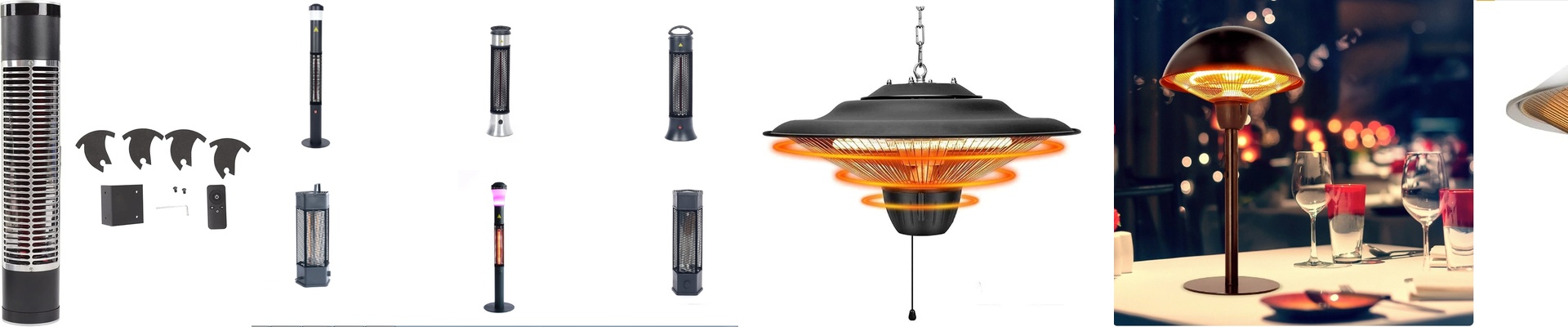
Let’s be honest: steam deck ovens are a nightmare for heating elements. You’ve got thick humidity and wild temperature swings happening all at once. Usually, that’s a recipe for lamps that burn out way too fast or heat that just won’t stay steady. We deal with this by using specific infrared (IR) lamps. The goal isn’t just to get the oven hot—it’s to keep it that way. The secret is in how the heat moves. Most ovens rely on the air to do the work, but in a steamy environment, that’s a struggle. Our IR lamps skip the moist air entirely. They send energy straight to the crust of your bread or pastry. It’s a huge help when you open the oven door. Instead of the surface temperature plummeting the second the cold air hits, the IR lamps keep things stable. Your main heating coils don’t have to scramble to catch up. Built to take a beating We use high-purity quartz glass for these. Why? Because when you inject steam, most glass just cracks from the thermal shock. Quartz doesn’t. We also obsess over the filament placement. If it’s even slightly off-center, you get hot spots on the tube wall, and that’s exactly where the lamp fails. To top it off, we use heavy-duty R7s connectors. They stay tight, even when the oven is vibrating or the metal is expanding and contracting. A few things to keep in mind When you hook these into your control loop, the response is nearly instant. You can pulse the lamps to hit a very specific temperature and stay there. But here’s the catch: these things put out a lot of intense, localized heat. If your ventilation isn’t up to the task, you might actually warp the metal housing around the lamp. You have to find that sweet spot between the wattage and the size of your oven, otherwise, you’re just going to scorch the tops of your loaves. If you’ve got aging elements, these are a great swap. You’ll notice a much more consistent “soak” across the deck.