Stop Overpaying for Your Oven Parts: A Better Way to Handle Heat
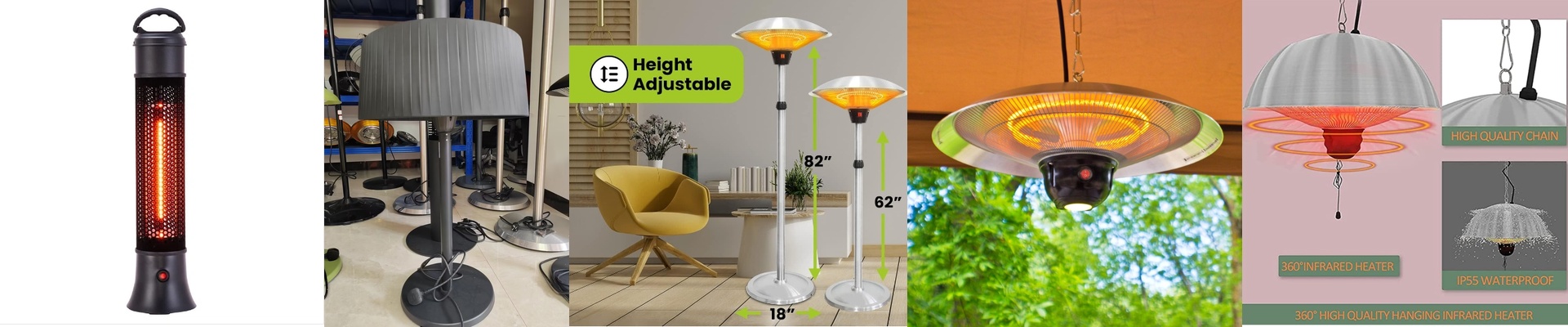
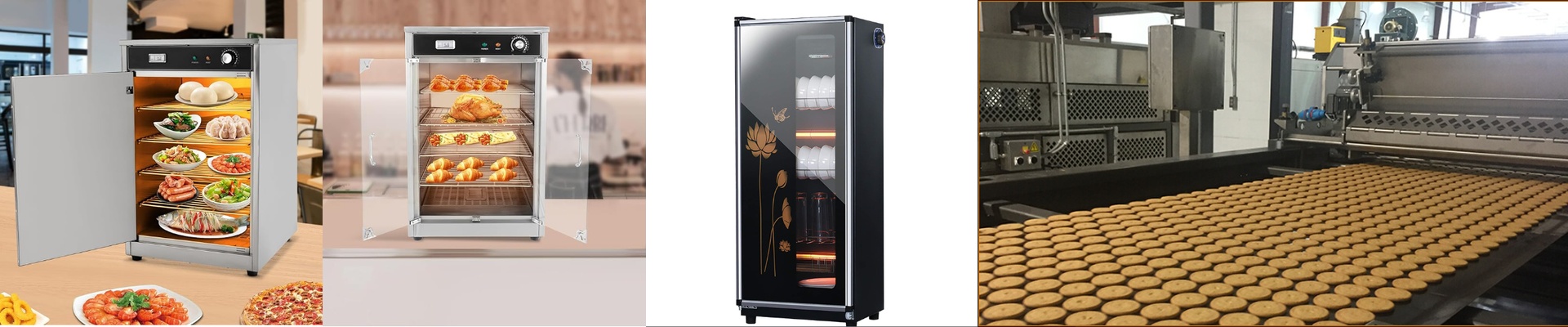
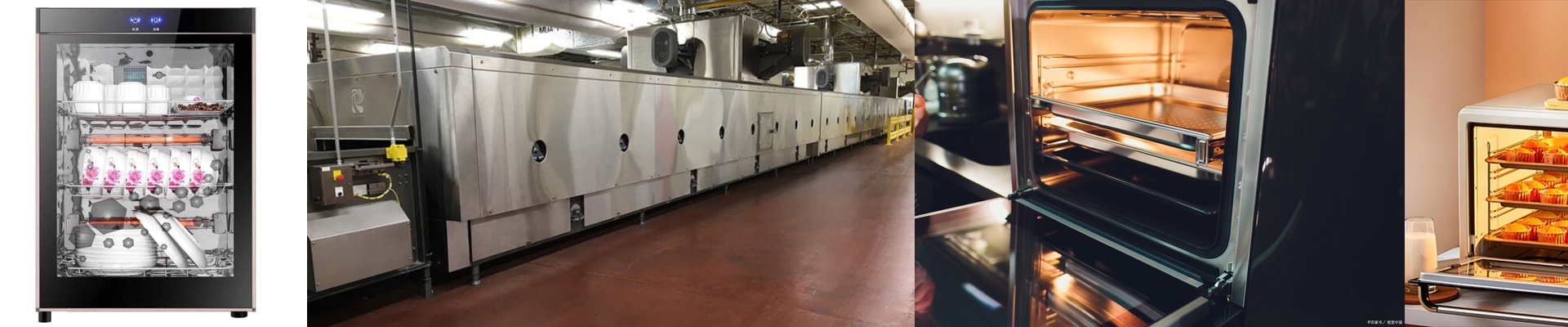
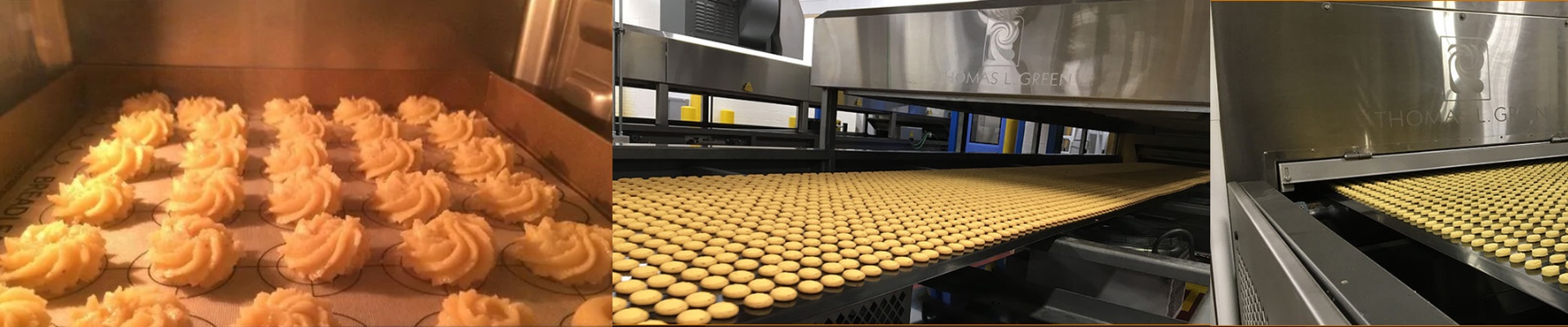
If you’re running a bakery and trying to grow, you’ve probably noticed that equipment costs start to eat your margins alive. It’s frustrating. You want your bread to taste great, but you don’t want to pay a “brand name tax” every time a heating element goes out. Here is a little secret: switching to high-quality infrared (IR) bulbs can give you the same bake quality without the eye-watering price tag of those official OEM assemblies. How the heat actually works Think of it this way. Most ovens just heat up the air around the bread. That takes time. Shortwave IR bulbs are different. They send energy straight into the surface of the dough. It’s like the difference between standing in a warm room and feeling the sun hit your skin on a cold day. You get that beautiful crust set and a great “spring” much faster because you aren’t waiting for the entire oven cavity to catch up. Now, you have to get the wattage and voltage right. A beefier bulb in a small space means more heat density, which lets you shave time off your bake cycles. Just make sure the bulb length matches your reflectors perfectly. If it’s off, you’ll end up with weird cold spots on your loaves. The deal with quartz Most of these bulbs use a high-purity quartz envelope. They have to. Commercial baking is brutal—the temperature swings are wild, and quartz can handle that stress without cracking. If you go with halogen-filled tubes, the filaments usually last longer. But there’s a catch: you have to keep the glass spotless. If grease builds up on the quartz, it creates hotspots. That’s usually why bulbs burn out way too early. Keep them clean, and they’ll last. Saving your budget Want to lower your startup or maintenance costs? Stop buying those proprietary heating modules. Most commercial ovens actually use standard R7s or Sk15 connectors. You can just find high-spec, generic IR bulbs that match your voltage and wattage and pop them right in. It’s a simple swap. But a quick warning: don’t just throw the highest wattage bulb you can find into an old oven. It can fry your wiring. Check that your controllers and relays can handle the extra current. Plus, if you crank up the heat too much without better ventilation, you might actually warp the oven housing. Keep it balanced, and you’ll save a ton of money.