Fixing the “Cold Spot” Headache in PET Blow Molding
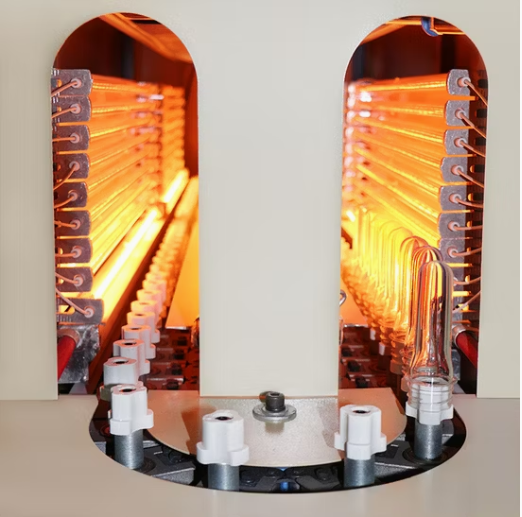
If you’re running KHS or Sidel ovens, you know the frustration of seeing pearlescence or thin walls in your finished bottles. It’s a pain. Usually, it all comes down to one thing: your infrared lamps aren’t putting out heat evenly.
Let’s talk power and voltage
We build our replacement lamps to fit the exact wattage and voltage footprints of the OEM specs. Now, if you’re using a high-voltage setup—like those 400V systems—you’re basically cramming more wattage into a shorter tube. It gets the heat up fast. Really fast. But that puts a ton of stress on the ends of the lamp. To stop the glass from bowing under all that pressure, we use reinforced quartz. It just holds up better.
The fit and the “secret sauce”
Most of these machines use R7s or Sk15 connectors. We made ours as simple drop-in replacements. You won’t have to mess with your wiring or fight with the brackets. But here is the real trick: we use a specific halogen gas fill. Why? Because it shifts the infrared emission curve. Instead of just scorching the surface of the PET, the heat actually sinks into the wall. It’s the difference between a surface burn and a deep, even soak.
The trade-off you need to know about
Our high-precision tubes now match or even beat the OEM heat-field uniformity. You’ll notice way fewer cold spots in the oven. But a word of caution. When you push for maximum heat density, the inside of your oven chassis gets hot. Really hot. If you go for the highest output, please check your cooling fans. If the airflow isn’t dialed in, you’ll overheat your reflectors, and your lamps won’t last nearly as long. At the end of the day, it’s all about the physics of the filament. We keep the tolerances on the tungsten coil incredibly tight so the heat spreads evenly across the whole tube. No more guessing games with your temperature profiles.