
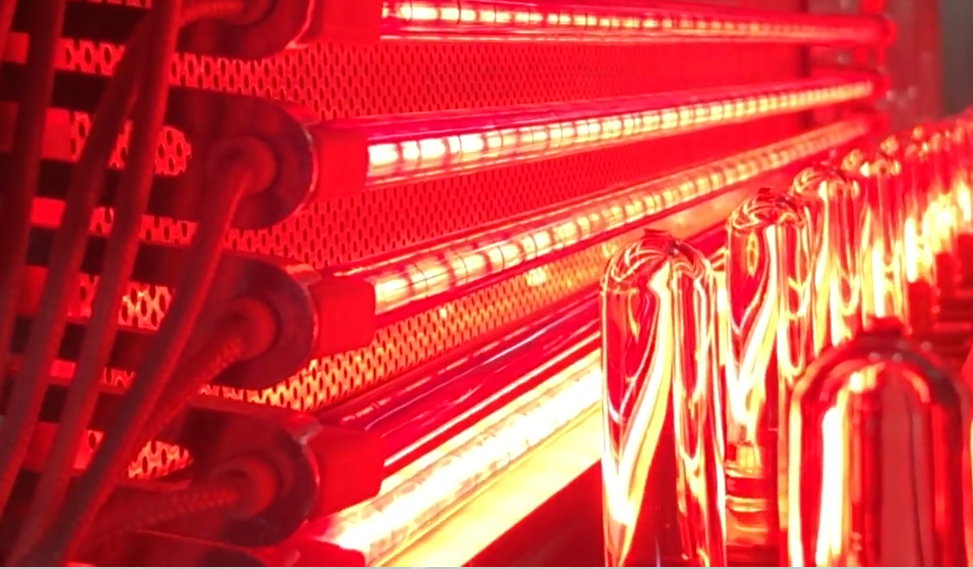
Stop the Constant Lamp Failures on Your Sidel Blomax Lines
If you’re running Sidel Blomax lines, you know the headache. Lamps fail, tubes break, and suddenly your production is at a standstill. Most of the time, it comes down to two things: thermal shock or just plain old wear and tear on the hardware. We got tired of seeing those failure points, so we rebuilt our replacement infrared lamps to actually hold up under pressure. The technical side of things These are simple drop-in replacements. We kept the footprint and wattage exactly the same as the OEM specs. Why? Because nobody wants to deal with a tripped power supply or a heating profile that’s suddenly all over the place. We use high-wattage shortwave lamps to get that immediate heat you need to soften PET preforms without scorching the outer walls. One quick tip: if you’re cranking up the wattage to squeeze out more speed, keep a close eye on your oven’s ventilation. If it gets too hot in there, those lamp ends are going to burn out a lot faster. Built to take a beating Here’s where we did things differently. We switched to heavy-wall quartz glass. Standard tubes tend to “sag” or bow when they get screaming hot, and that’s usually when they snap. Our reinforced glass stops that sag. Plus, we precision-machined the connectors so they fit tight. When lamps vibrate loose during a high-speed run, you get electrical arcing and voltage spikes. A snug fit stops that from happening. Real-world installation You can swap these into your current setup without touching your wiring. It’s that easy. The whole point is to keep your machines running longer between repairs. Because the quartz is tougher, it handles the stress of the shop floor much better. You get a steady heat curve across the preform, which means no more “cold spots” or deformed bottles. Just a heads-up for the team installing them:**Don’t touch the quartz with bare hands.**It sounds minor, but skin oils leave spots on the glass. Once the lamp hits operating temperature, those spots turn into hot points that can crack the tube. Use gloves, and you’re good to go.